The working group introduces itself
We are an international research group working on microbial communities (microbiomes) using a combination of experimental and theoretical methods. We work closely together on an interdisciplinary basis: natural and synthetic microbial communities are cultivated in the laboratory, microbiome samples from different habitats are prepared for sequencing and characterized by means of long-read sequencing, and bioinformatic analyses subsequently provide the microbial composition and the functional potential of the microbiome. These data are then used for qualitative and quantitative predictions using mathematical modeling methods.


About our working group
Microbial communities are fascinating complex systems with amazing capabilities that benefit humans in many ways. With our research, we want to contribute to making the best possible use of their potential, be it in agriculture, biotechnology or medicine.
Our research profile
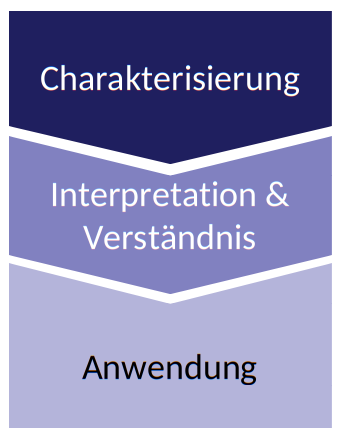
Our research activities at the interface between bioinformatics, systems biology, data analysis and microbial ecology are divided into four areas:
1. characterization of microbiomes (who is there and what can they do?)
Microbial DNA is isolated from environmental, laboratory or patient samples and sequenced to infer the composition of the microbial species in the sample (amplicon sequencing) and to identify the functional potential (shotgun metagenomics).
2. evaluation of microbiome profiles (what does this mean?)
Once the composition has been determined, the question arises as to what this means, for example, for the health status of a host. For example, does the intestinal microbiome have a healthy, high diversity or is there a pathological change (dysbiosis)?
3. modulation of microbiomes (how can we exert influence?)
If an unfavorable condition such as dysbiosis is present, targeted modulation would be desirable, for example through the administration of pro- and prebiotics, in order to return to a healthy state. What strategies are promising here? What are the limits of controllability?
4 Mathematical modeling of microbial (and other) systems (How does it work?)
In order to investigate mechanisms in the interaction of microbial populations, laboratory experiments quickly reach their limits. This is where computer simulations can help, e.g. by simply switching off a law of nature in order to identify the essential factors and processes underlying an observed dynamic.
Main research areas
- Microbiome Bioinformatics
- Systems Biology
- Data analysis & AI
- Microbial Ecology & One Health