Alumni Profile: Daniel Schmuck

Living and Working in the Desert Highlands of New Mexico
An international career that began in the Siegerland region
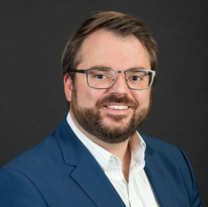
Schmuck is originally from Netphen. So it seemed only natural that the University of Siegen would be an attractive place to study, if only for regional reasons. But the small university offered many other advantages as well. In particular, it helped Schmuck develop interests that he still encounters every day. Whether it was the support he received from Study & Consult, the University of Siegen’s student consulting firm, or the placement at a company specializing in strategic communication, where Schmuck held a part-time job alongside his studies.
The University of Siegen also stood out to him for its extensive international opportunities. In addition to participating in the MUN conference in New York, Schmuck decided to study in Warsaw for two semesters as part of the Erasmus program: “In my second year at the University of Siegen, I went to Poland and studied at Collegium Civitas. I had a keen interest in other countries, and since my family is originally from Poland, I also have a special connection to the country. In addition to those two semesters, I completed an internship at a public policy think tank. I worked on a project that examined the appeal of Warsaw as a location for startups. This was my first opportunity to engage with the topic of economic development.”
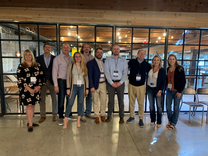
After Daniel Schmuck completed his bachelor’s degree with a thesis comparing political communication in Germany and the U.S., he went on to earn a master’s degree at the University of Bonn. At this point in his career, his connection to New Mexico began to take shape. As part of a partnership program between the University of Bonn and the University of New Mexico, Schmuck then went to New Mexico—specifically, to Albuquerque. During his time as a student in New Mexico, Daniel Schmuck also worked at a company that provides campaign consulting services. During the midterm elections, Schmuck gained further formative insights into U.S. politics.
Through an additional Fulbright scholarship, Schmuck also met his wife, who had recently worked as a Fulbright teaching assistant in Weimar and is originally from New Mexico. After a brief return trip to Germany, Schmuck went back to Albuquerque and began his current professional career there in the spring of 2021.
Albuquerque—Between “Breaking Bad” and Innovative Research
The nonprofit organization where Schmuck works focuses on the economic development of the state of New Mexico and, in particular, the city of Albuquerque, which has now also become Schmuck’s hometown. The organization identifies which companies are interested in this location and explores how the region can be made even more attractive to businesses. Large companies hire specialized location consultants for this purpose, who then get in touch with Schmuck. The location offers many advantages, particularly for the aerospace, semiconductor production (including computer chips), pharmaceutical and medical, and renewable energy sectors.

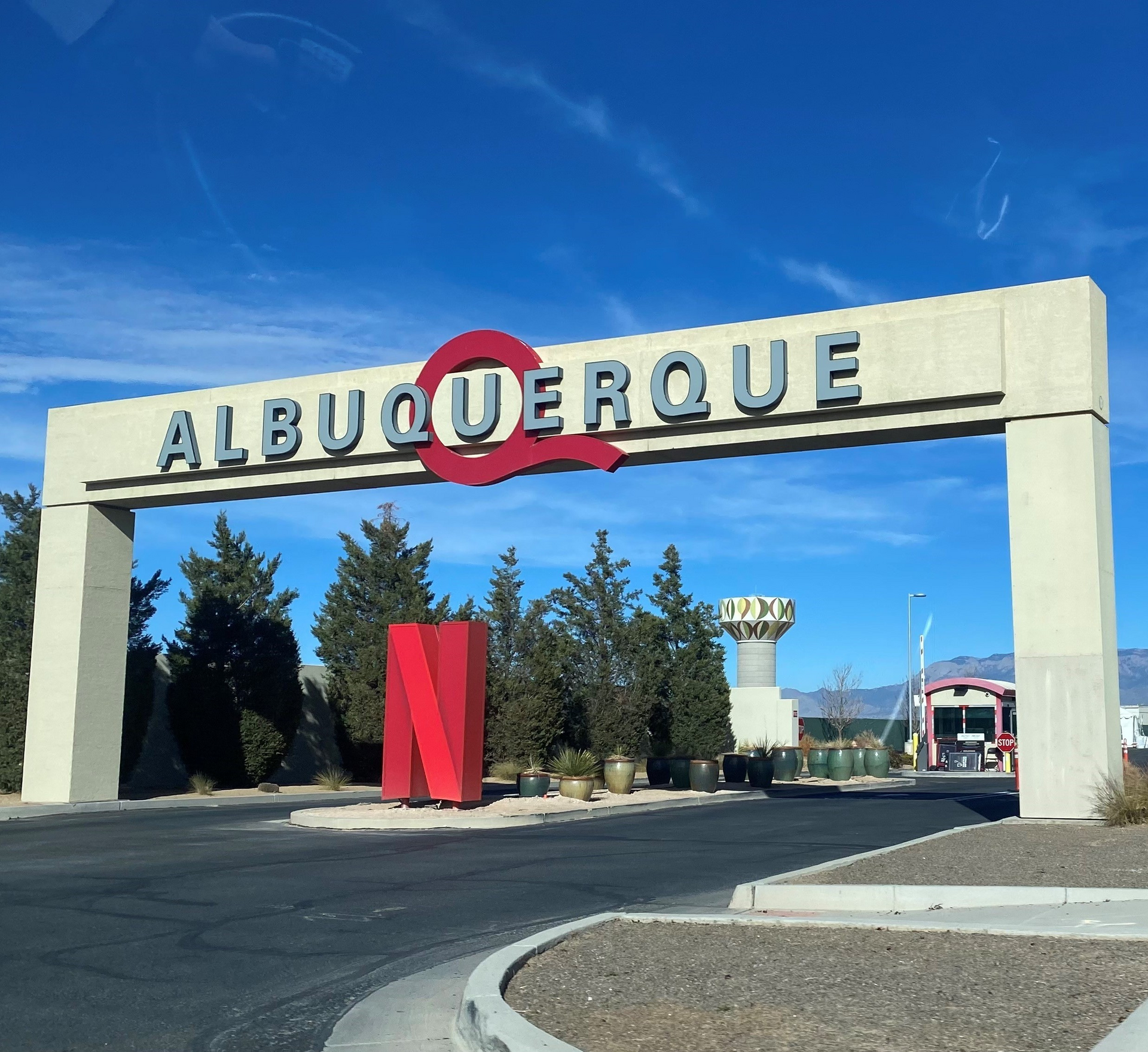
The film industry has also discovered New Mexico. For example, the well-known series *Breaking Bad* was produced and filmed in Albuquerque, and Netflix has also established a network in the city, creating many jobs in the region. Reasons for this include the film credits offered and temporary tax exemptions designed to attract the film industry to the location. Another major global player in the region is the computer chip manufacturer Intel, which has created 2,000 jobs and invested $3.5 billion in the location.
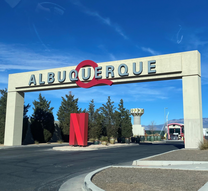
But how exactly can we ensure that the location’s appeal continues to grow? Schmuck explains that, on the one hand, companies approach the Albuquerque Regional Economic Alliance with their project proposals when they are considering New Mexico as a potential location for their business. Many factors are then evaluated: Does the region have enough people who can work in these fields? Can existing factory buildings be utilized, or can vacant land be developed? It must also be determined whether financial incentives are available and whether the required water and electricity needs can be met. Good communication with regional decision-makers is also important for companies. The small state offers enormous advantages in this regard: “For example, the Secretary of Economic Development is just two phone calls away. The structures in New Mexico are simply more concentrated, and almost all institutions are centered in the Albuquerque region.” In addition, U.S. states have a great deal of autonomy in their decision-making. However, it is also possible to take advantage of many regional and national funding programs, particularly in the area of infrastructure.
Another major aspect of Schmuck’s work is improving the region for both businesses and the residents of New Mexico. In this context, data analyses are conducted, for example. These analyses cover, among other things, economic and demographic data: What is the average income of the population? How many people speak multiple languages? How many people have access to health insurance? For example, New Mexico still has a high rate of child poverty.
To this end, Schmuck and his colleagues are also creating an Economic Dashboard, for example, by evaluating a total of 50 indicators across nine key areas. These help to optimally compare Albuquerque’s competitiveness and the quality of its infrastructure with other locations. In total, nine other metropolitan areas can be considered direct competitors: “Many are leaving the West Coast because the cost of living has risen dramatically. We’re now trying to attract these companies to our city.”
A city of diversity that invites wonder: skiing and flamenco
Even setting economic factors aside, Schmuck has no trouble convincing others of Albuquerque’s appeal. His adopted home is characterized by diversity on a wide variety of levels.
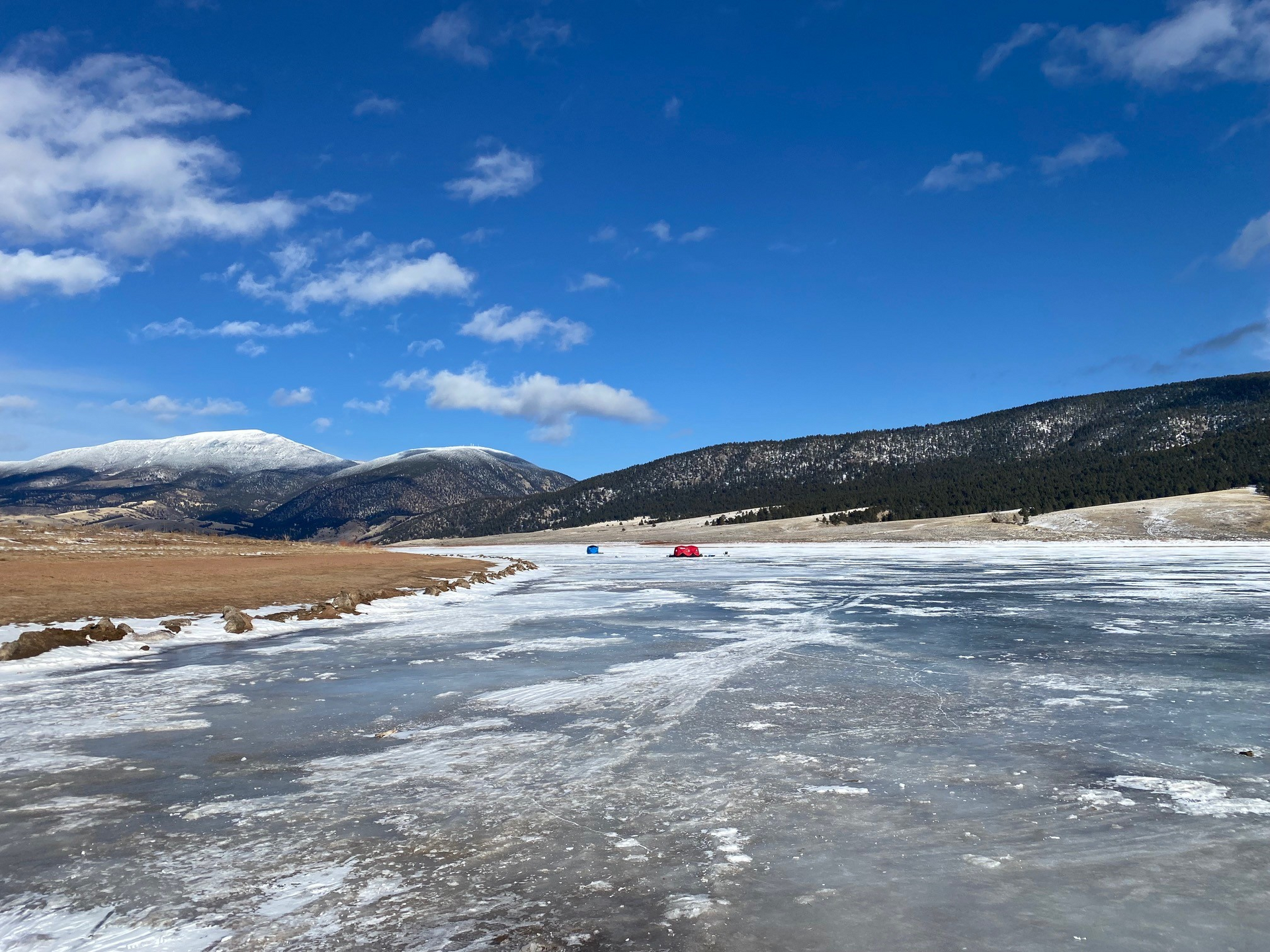
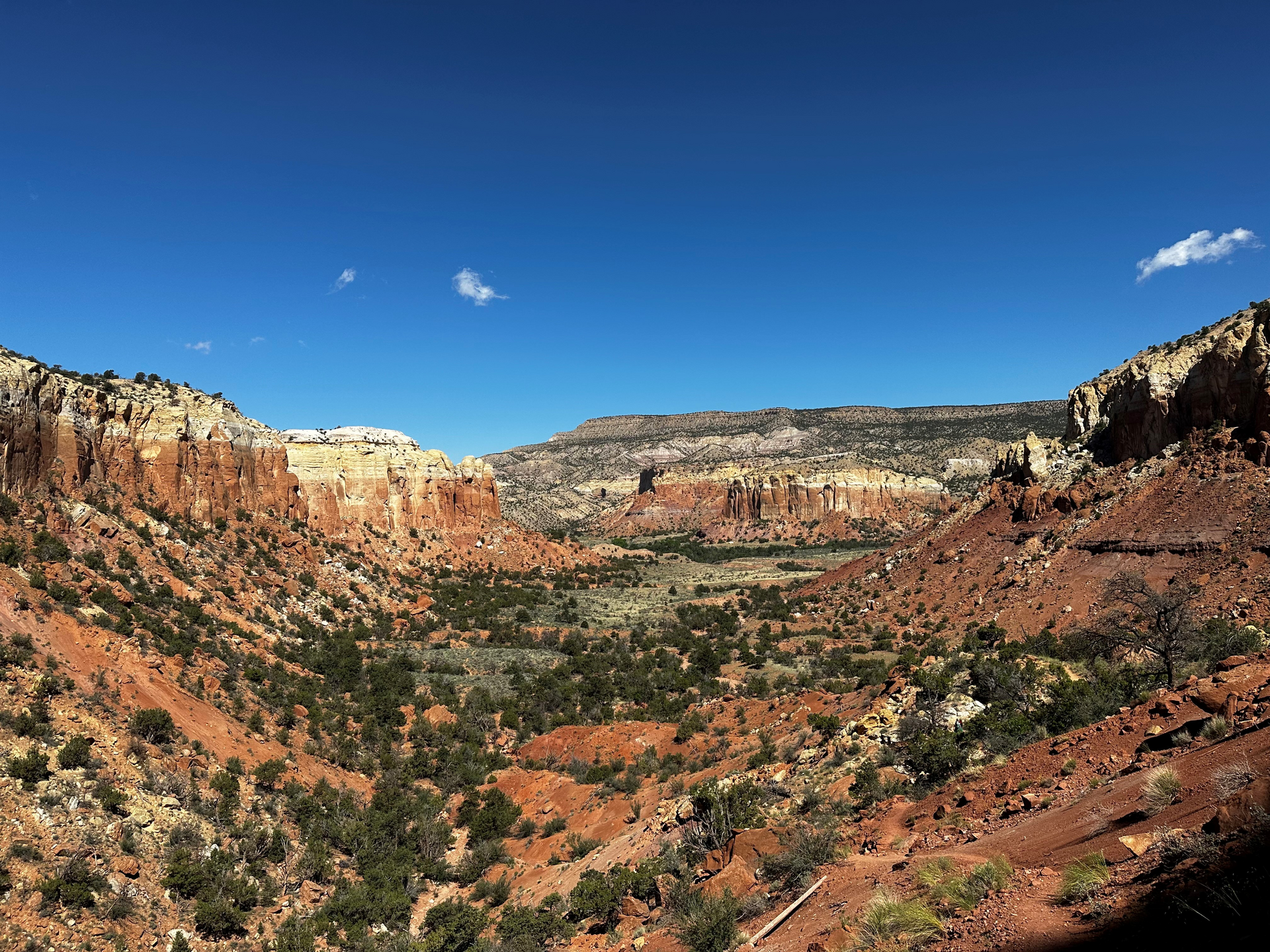
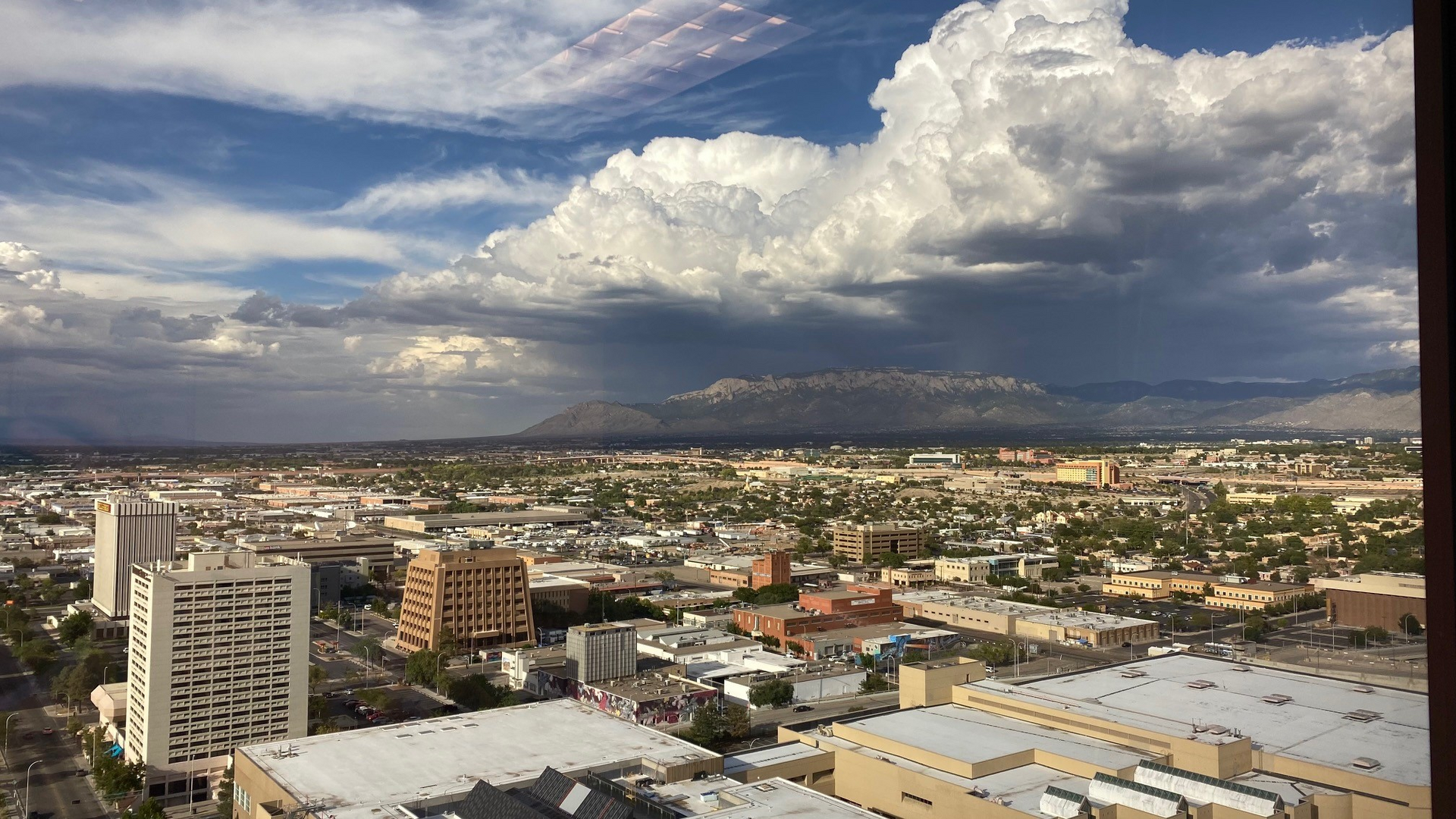
New Mexico’s largest city, with a population of about half a million, is home to two climatic extremes: From Schmuck’s window, the panorama of New Mexico’s desert highlands stretches for several kilometers. On a clear day, New Mexico’s capital, Santa Fe, is even visible to the naked eye. It’s over an hour’s drive away. The view is further enhanced by the mountainsides of Santa Fe, but Albuquerque itself also shines with its incredibly vast landscape dotted with mountains. The Rio Grande and its surrounding recreational area complete this unique landscape. Schmuck greatly appreciates the wide range of outdoor activities available: skiing, hiking in the woods, or relaxing in the sun are all possible in New Mexico.
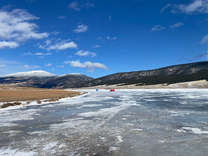
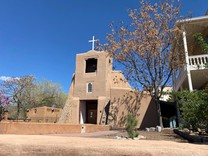
But New Mexico also thrives on its cultural diversity. Schmuck says: “New Mexico has a very long history. The very first colonies in the U.S. were the Spanish colonies in New Mexico. You can still experience this in many places today. In Santa Fe, for example, there is a very old church building. The European—and especially the Spanish—influence remains very much present to this day. Many people living in New Mexico are of Spanish descent and proudly share their roots and traditions. This is especially true in the north. The south, on the other hand, has a strong Mexican influence. With a total of 23 indigenous tribes—the 19 Pueblo and 3 Apache peoples—the Taos Pueblo and Acoma Pueblo are among the oldest indigenous settlements in North America and have been continuously inhabited for over 1,000 years.”
The many different cultures and traditions shape the state’s vibrant character: In Albuquerque, you can visit the National Institute of Flamenco, and Santa Fe is home to one of the largest art markets in the U.S.
New Mexico and Germany
Since Schmuck’s studies at the University of Siegen focused on European development, the differences are very apparent to him. Many aspects of life in New Mexico differ from those in Europe. For example, many U.S. cities are characterized by the fact that different types of residential areas are strongly separated from one another. Whereas in many German cities, apartments, businesses, and stores are all located in one place in the city centers, these areas are often strongly separated from one another in the U.S.

In Albuquerque, efforts are being made to bring these different areas of life closer together locally: “When people work in downtown and leave the area after work, it’s almost completely empty in the evening and at night. As individual blocks are gradually renovated and downtown areas become more appealing for a variety of activities, the entire city will also become more inviting over time. The advantage here is that U.S. cities did not grow organically but were built in blocks.” With regard to Germany, Schmuck also identifies another distinctive feature. More and more German companies—or firms from German-speaking countries—are choosing the New Mexico region. Schmuck cites rising energy costs and the ability to obtain permits more quickly in New Mexico than in Germany as key reasons. Thus, the region offers many European companies good reasons to choose it as a location.
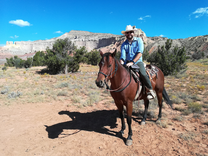
At the employee level, the U.S. offers many opportunities but also presents some challenges, especially for those familiar with the German system. Most people in the U.S. have only a few days of vacation. Schmuck explains that the two weeks of vacation to which he is entitled make it difficult for him to visit Germany frequently. Additional vacation days are unpaid and are generally frowned upon at both the regional and national levels. Likewise, not all employers in the U.S. offer their employees health insurance or generous parental leave. However, Schmuck also addresses these issues in his work, and he is exploring ways to make these factors more attractive for workers in the region.
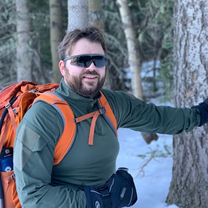
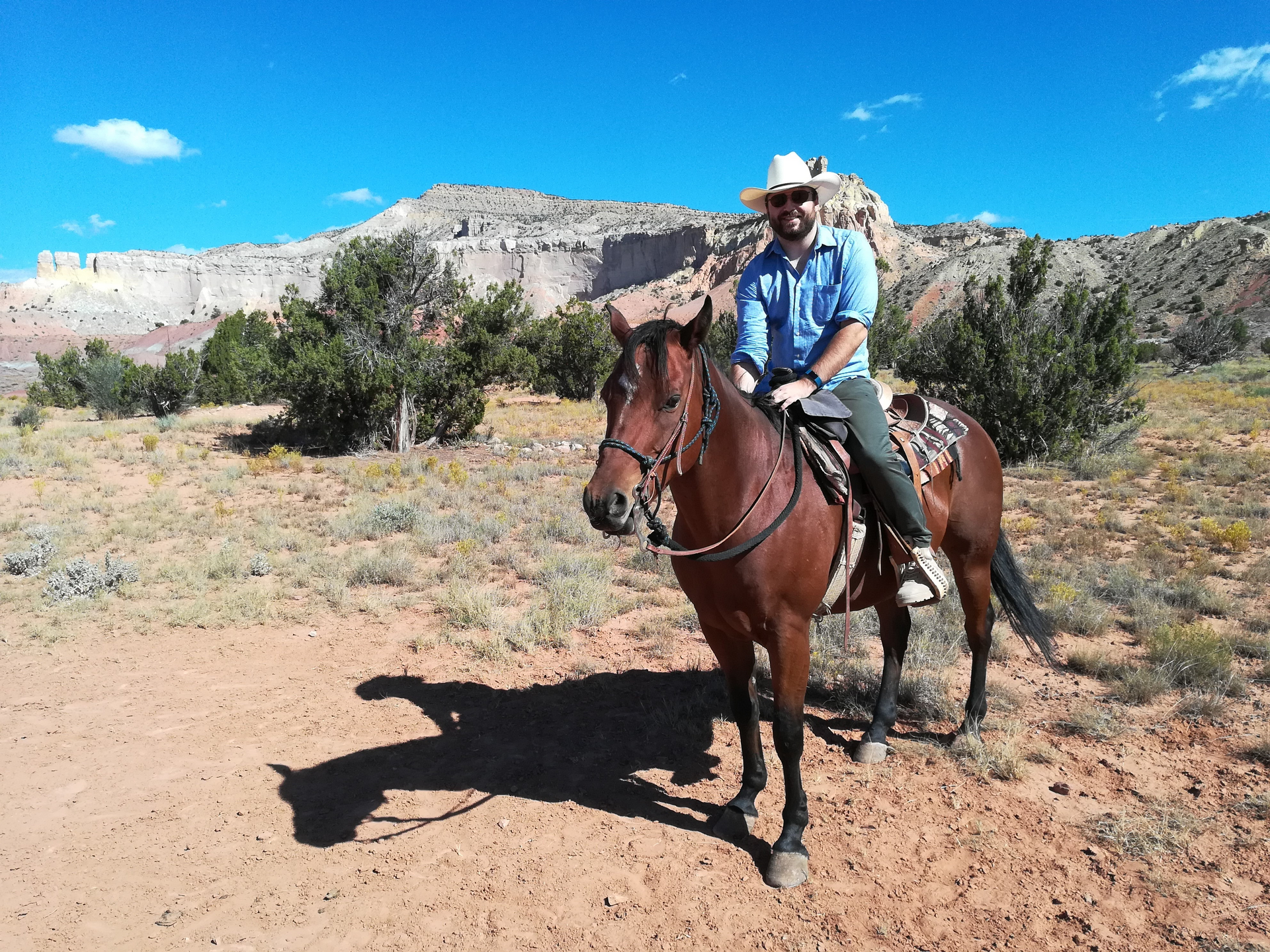
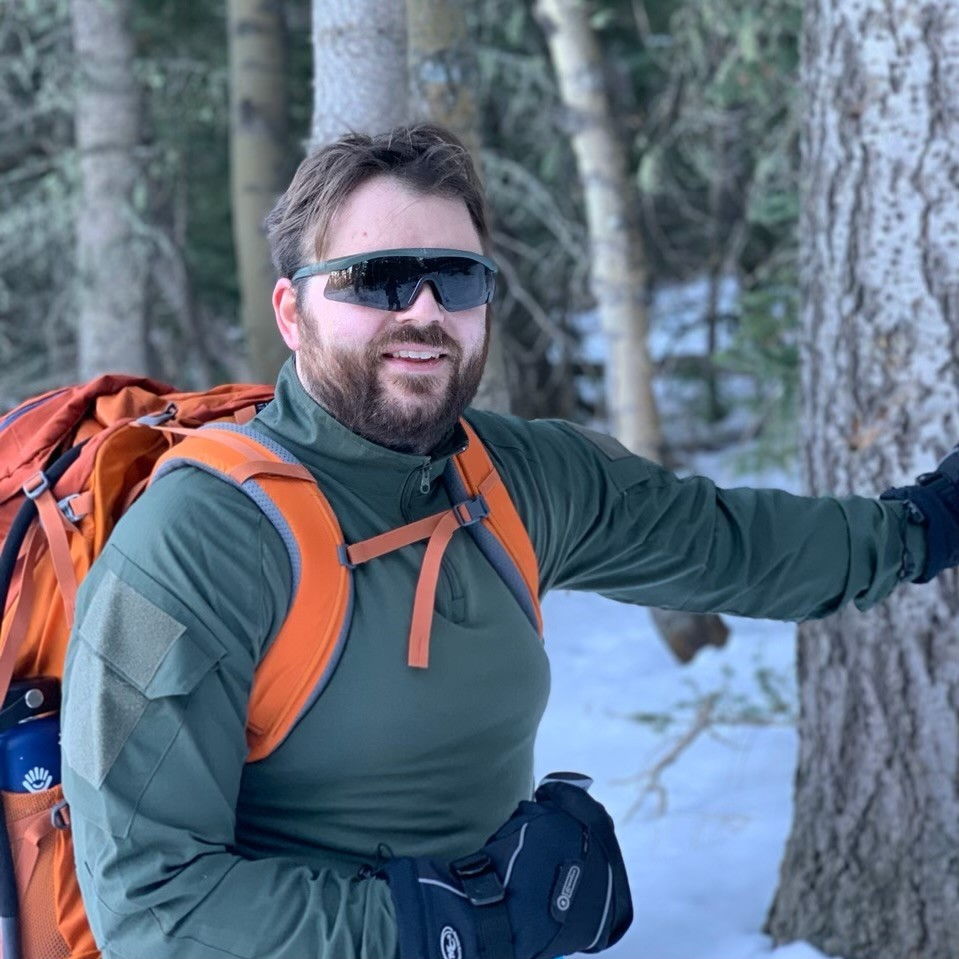
Daniel Schmuck has found a home in New Mexico and the diverse city of Albuquerque: “I really like New Mexico for its outdoor activities as well as its history and culture. It’s a shame that the state is often overlooked when people talk about the Southwestern United States. New Mexico is actually the heart of the Southwest. But even some Americans don’t know that New Mexico is a state.” Yet despite the great distance, Schmuck always feels connected to his home and to the University of Siegen. Now that the foundation for his international career was laid there, Schmuck would like to give something back as an alumnus.
This profile is based on an interview with Daniel Schmuck, conducted and written by Antonia Blumberg.
Click the logo to return to our home page!