Chemistry and Structure of New Materials
At CSnM, we develop hybrid nanoarchitectures (hNAs) based on functionally coated nanostructured oxides. In addition to developing these hNAs, three research areas focus on their applications in the fields of biomaterials, construction materials, and photocatalysis. Targeted drug release from potential implant surfaces is achieved by adjusting the geometry of the anodic nanostructure (pores/sponge, etc.), optimizing drug loading, and applying responsive coatings such as self-assembled monolayers. Coating ceramics and construction materials with complex hNAs—or adding them to these materials—enables the incorporation of tailored functionality into these very materials. By adding hNAs and other additives to cements and gypsum, their hydration and final properties can be influenced. For these materials, the study of recycling is also of interest in light of resource scarcity, energy conservation, and “urban mining.” The optimization of catalytically active hNAs is currently being pursued through the development of suitable p-type oxide nanostructures and the modification of semiconducting anodic oxides with highly catalytically active single atoms. Some of these structures exhibit anisotropic growth; the goal is to gain a deeper understanding of the underlying processes and subsequently modify them in a targeted manner.

About Our Working Group
Brief introduction to the working group, possibly in the form of a quote
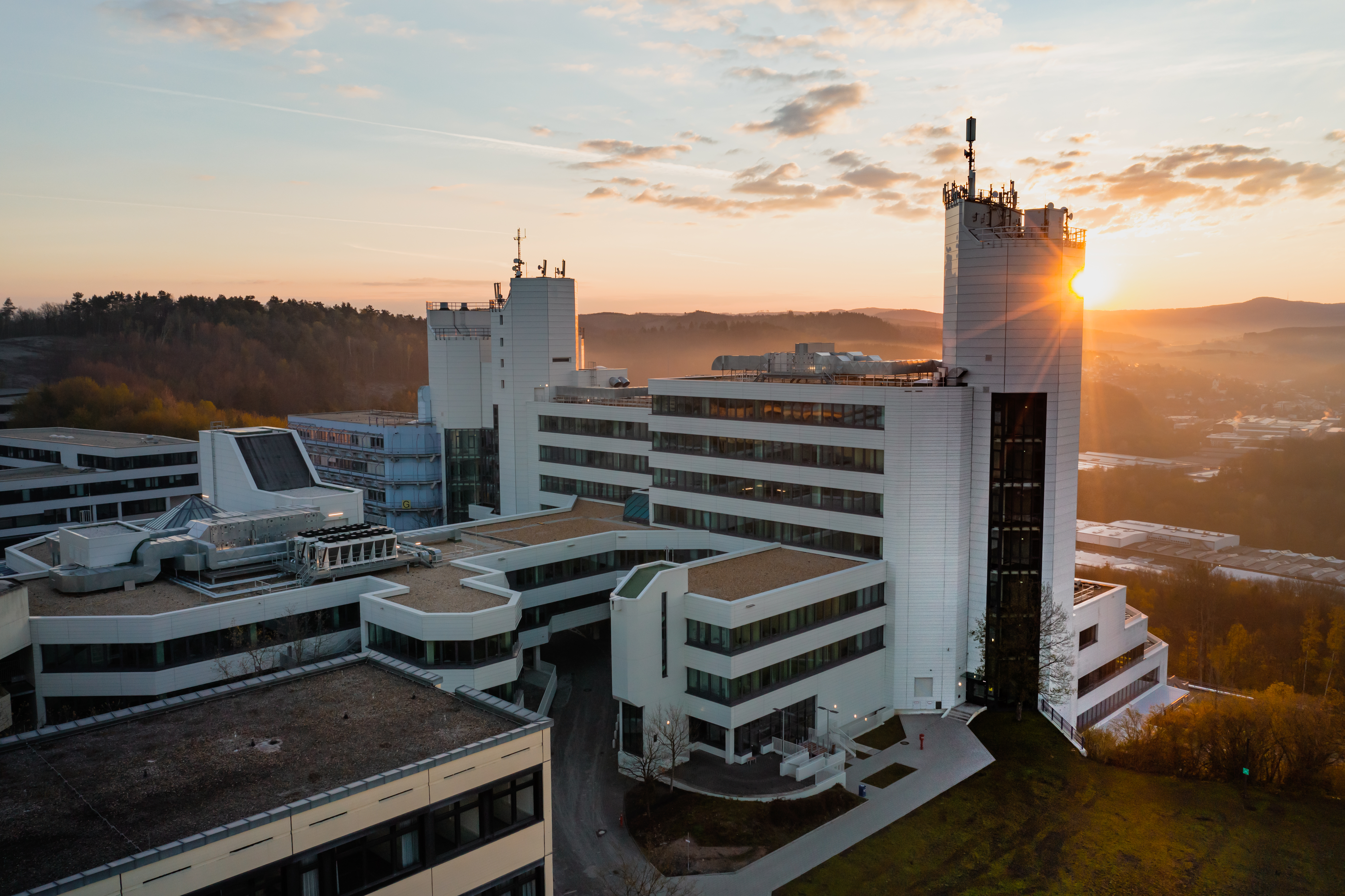
Our research focuses on nanostructured metal oxides, their targeted surface modification, and the development of multifunctional hybrid materials. We investigate structure-property relationships and interfaces for applications in energy conversion, photocatalysis, sensor technology, and biomedicine.
Our Research Profile
Functional Materials, Interfacial Chemistry, and Sustainable Energy Conversion
Our research group focuses on the development, functionalization, and comprehensive characterization of oxide and hybrid materials. In particular, we concentrate on nanostructured metal oxides and their targeted surface modification to control their chemical, biological, photoelectrochemical, and catalytic properties.
We place special emphasis on the functionalization of TiO₂, ZrO₂, and NiO-based nanostructures with organic molecules, self-assembled monolayers, biomolecules, and inorganic surface layers. By combining materials synthesis, surface chemistry, and modern characterization methods, we investigate fundamental relationships between structure, interfacial chemistry, and function.
Our research ranges from functional surfaces and selective self-assembly to photo- and electrocatalytic materials, as well as biofunctional interfaces and applications in the field of sustainable building materials.
Research Focus Areas
- Nanostructured Metal Oxides and Anodic Nanostructures
- Selective molecular self-assembly on metal oxides
- Photocatalysis and electrocatalysis, particularly NiO photocathodes and photoelectrochemical materials
- Biofunctionalization, drug release, and protein-metal oxide interfaces
- Sustainable building materials (concrete and gypsum)
- Surface analysis and functionalization of building materials


