Dangerous bleeding: New 3D intestinal model to make causes visible

Dangerous bleeding: New 3D intestinal model to make causes visible
Normally, the body reliably protects us from blood loss: if a blood vessel is injured, a finely tuned process sets in that causes the blood to clot and closes the wound. A key player in this process is the von Willebrand factor (VWF): a protein in the blood that recognizes injured areas and brings platelets to the wound. This process is disrupted in around one percent of the world's population, and these people with von Willebrand disease are at risk of prolonged bleeding. Recurrent bleeding in the intestine caused by abnormal vascular changes - so-called angiodysplasia - is particularly distressing and, in case of doubt, life-threatening. The reasons why these occur have not yet been fully researched scientifically. There are no approved drugs to treat them.

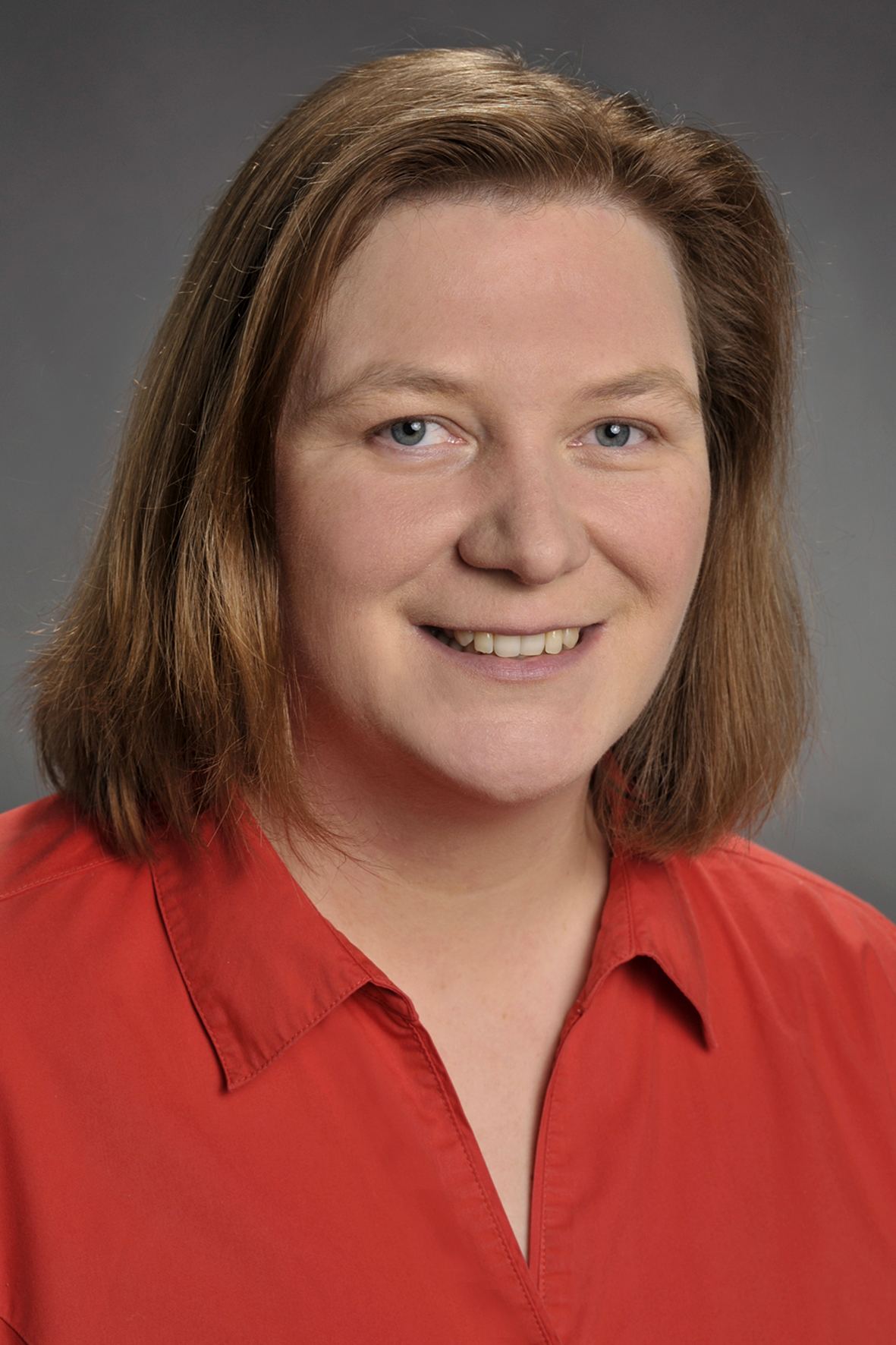
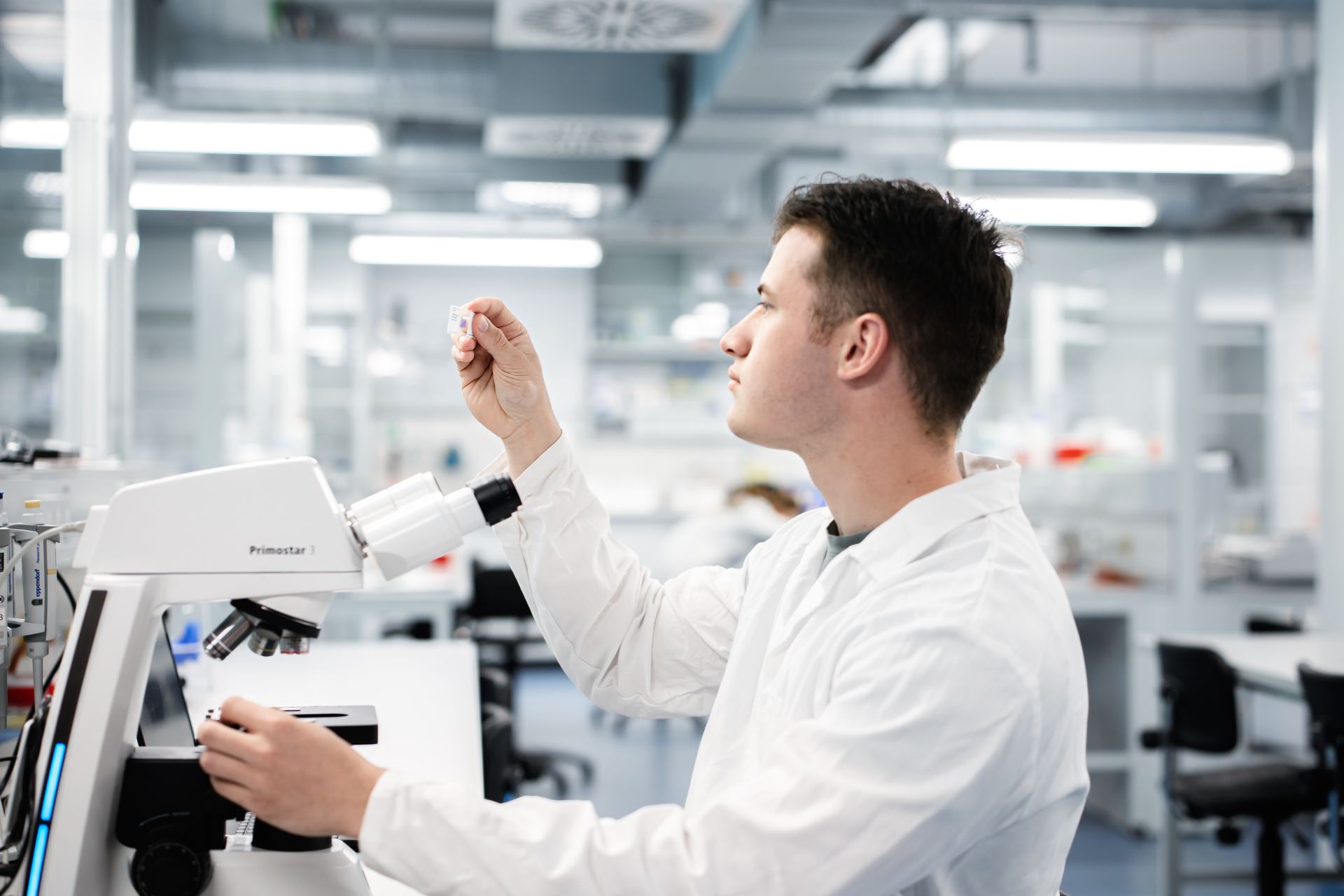
This is precisely where the research of Prof. Dr. Maria Brehm, a biochemist at the University of Siegen, comes in. She and her team are developing a state-of-the-art, miniaturized 3D intestinal model on a microchip just a few millimetres in diameter. It is intended to represent the complicated conditions in the human intestine as realistically as possible and thus allow detailed investigations and experiments.
The Siegen biochemist is developing existing 3D intestinal models so that she and her team can investigate the role of von Willebrand factor in the development of intestinal bleeding in particular. To do this, the researchers use cells and blood in the model in which the von Willebrand factor is reduced. In other words, they simulate von Willebrand syndrome on the microchip. Through in-depth research with the new model, a complete understanding of the clinical picture is possible for the first time.
Model to pave the way for new therapies
In future, such a disease-like model could be used to test new substances that could, in the best case, stop the intestinal bleeding or alleviate the vascular damage. Existing drugs and newly developed active substances could be tested in a safe laboratory environment - without the need for animal testing. "Intestinal bleeding is understandably very distressing for patients," says Prof. Brehm. "We are conducting research with the aim of effectively improving the treatment of patients in the long term."

Prof. Brehm received the Günter Landbeck Excellence Award for her project in Hamburg in November. With this award, Takeda Pharma Vertriebs GmbH & Co. KG recognizes outstanding research into blood clotting disorders in German-speaking countries. The Siegen biochemist received the award, which is endowed with 25,000 euros, in the "Experimental Work" category. The prize money will go directly towards research - a new doctoral student has already been recruited.
Prof. Brehm has been researching at the University of Siegen since 2021. The group's work has already shown how VWF plays a central role in controlling the growth of blood vessels. If VWF is missing, a certain cellular signaling pathway - the so-called PI3K/Akt signaling pathway - is over-activated. As a result, vascular cells begin to proliferate, migrate and form malformed, blood-permeable vessels - typical characteristics of angiodysplasia.
Prof. Brehm previously conducted research for more than ten years at the University Medical Center Hamburg-Eppendorf and in the DFG research group SHENC ("Shear flow regulation of hemostasis - Bridging the gap between nanomechanics and clinical presentation"), in which an interdisciplinary team of biochemists, structural biologists, biologists, physicists and physicians investigated the von Willebrand factor from various perspectives. Since 2011, Prof. Brehm has been working on finding out which mechanical forces in the blood control the activity of VWF and how mutations in the protein lead to malfunctions. She has already discovered a number of previously unknown mutations in the process, which surprisingly increase blood clotting and could therefore increase the risk of heart attacks.
Von Willebrand disease is the most common hereditary blood clotting disorder. Women and men are affected equally often. The vast majority have a mild form. Severe courses are rare - only in these cases does recurrent intestinal bleeding occur. The underlying protein is named after the Finnish internist and haematologist Erik Adolf von Willebrand.