The Breath of the Earth (BRO)
The Earth “breathes.” This is particularly evident in karst landscapes, which are formed by the dissolution and carbonation of limestone. Typically, these landscapes feature caves, springs, sinkholes, and underground river systems. In such landscapes, water, rock, air, and life interact in a dynamic interplay. The Erasmus+ project “Breath of The Earth” (BRO for short) enables students from various regions of Europe to learn about the karst phenomenon. The focus is on carbon dioxide, which acts as a mediator between inanimate matter and living nature. The goal of the project is to make natural phenomena tangible and to foster an understanding of ecological relationships. This website presents the project’s activities and the karst regions explored.

Activities
Our "Breath of the Earth" project is divided into five activities in which students conduct various exciting experiments at different locations:
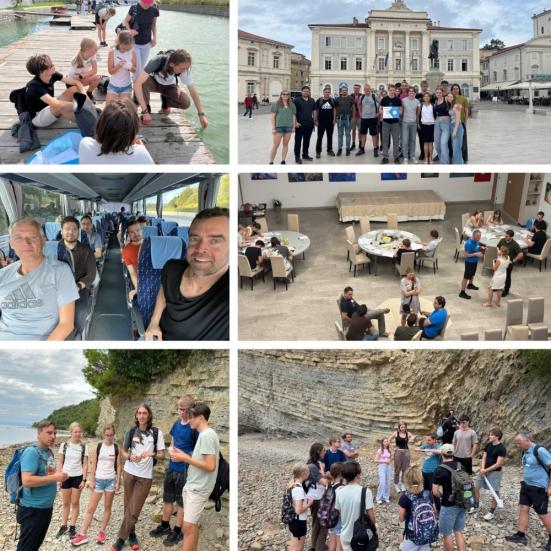
The first activity took us to the Slovenian coast. After checking in and playing an icebreaker game, the students were introduced to the Design Thinking method and given their assignment: “How can we introduce our karst region to people from all over the world?” The students conducted rock and water analyses and explored various karst landscapes, from the Dragonja River to the Secovlje salt pans and the coast near Strunjan. In addition, during visits to a fish farm, an aquarium, and through their work with the Morigenos in Slovenia, the group learned a great deal about carbon dioxide, marine life, and environmental protection.
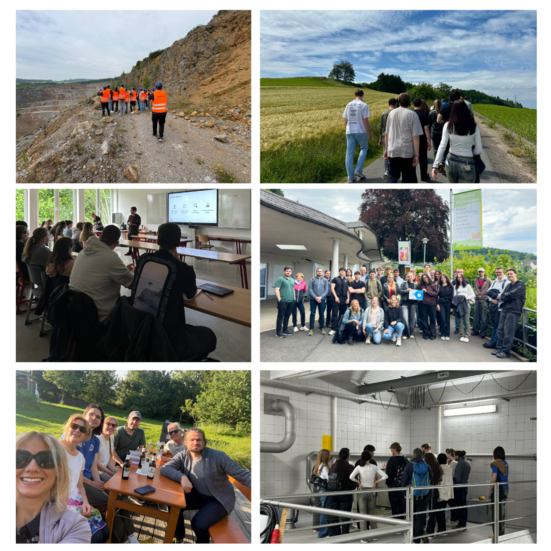
The second activity took place in Germany. After getting to know the partner schools and receiving an introduction to the design thinking method, the students worked on the question: “How can we introduce our karst region to people from all over the world?” During field trips to the Atta Cave, the Repetal Valley, the limestone quarry, and the Herbstlabyrinth show cave in Breitscheid, they explored various karst landscapes, examined rock and water samples, and gained insights into the drinking water supply and the use of limestone. Afterward, the teams developed creative projects such as videos, flyers, and scientific articles to showcase their region. Group activities rounded out the week and strengthened international exchange.
Conferences and Reports
The project will be presented at the conference “Outdoor Education in the Context of European Integration – Connecting and Sharing: Outdoor Education as a Tool for Social and Cultural Integration” in Bohinj, Slovenia, as well as at the 42nd Continuing Education and Lecture Conference of the Chemistry Education Section in Göttingen, Germany.