Uni Siegen involved in new DFG research group
The "self" is not simply there, but is created through processes of self-formation that are shaped by social, cultural and media conditions. Based on this idea, a newly established research group of the German Research Foundation (DFG) is investigating how self-formation processes have changed over time - from antiquity to the present day. The research group "Machbarkeiten des Selbst. Medial Self-Formation Processes in Diachronic Perspective" is based at Heinrich Heine University Düsseldorf. The University of Siegen is involved as a cooperation partner with its own sub-project. The DFG is funding the joint project with a total of around three million euros over four years, of which more than 800,000 euros will be allocated to the Siegen site.
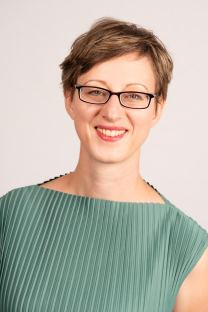
"I am delighted to be involved in this large collaborative project with many scientists from a wide range of disciplines. This is something very special and a new experience in my academic career," says historian Prof. Dr. Reinhild Kreis, who is leading the Siegen sub-project.
The Rector of the University of Siegen, Prof. Dr. Stefanie Reese, also acknowledges the success: "I warmly congratulate my colleague Kreis and the entire team. Being involved in another large-scale externally funded project is a great success for the University of Siegen and strengthens the visibility and competitiveness of our research."
The new research group is the first exclusively female-led collaborative project in the history of the DFG. The spokesperson is art historian Prof. Dr. Valeska von Rosen from Heinrich Heine University. The starting point for the joint research work is the paradigm of a "made" self: "As a historian, I find the concepts of 'machinability' and 'self' very interesting because, taken together, they are subject to major historical and cultural processes of change," says Prof. Dr. Reinhild Kreis.
In the Siegen sub-project, the historian, together with two other researchers, wants to focus on the idea of "doing something for yourself": "From the middle of the 19th century, the idea that it is in your own hands to shape your life became established. On the one hand, this meant more freedom, but on the other, it was also accompanied by pressure: because the call to 'make something of yourself' naturally implies that you should follow a path that also receives social recognition," explains Prof. Kreis. The Siegen sub-project aims to investigate whether the concept of "making something of yourself" applied equally to women and men and to members of different social classes and which circumstances played a role in this historically.
One focus will be on the concept of "opportunity" - the idea that there are opportunities that people can use to shape their lives. "In this context, we want to focus on different groups such as young people, people with a migration background and women in order to find out what 'opportunity' means to them," says Kreis. Another specific group that the Siegen project team will be looking at are the self-made men and women in the history of the Federal Republic: what possibilities and limits did they have in terms of "making something of themselves"?
Overall, the research group would like its work to contribute to sharpening current debates on self-optimization and human malleability conceptually and locating them historically. "Across the various sub-projects, we are dealing with questions that are highly relevant to a better understanding of the past and the present. The idea that people can make something of themselves and their lives is still incredibly powerful today," says Prof. Kreis.
Background:
research groups enable scientists to address current and pressing issues in their specialist areas and establish innovative directions. They are funded for up to eight years. The DFG is setting up a total of 14 new Research Units - the total funding amount is 65.7 million euros.