Information on studying to become a computer science teacher
Computer science opens up a new perspective on our digital world - creative, logical and forward-looking.
Computer science is often only associated with programming or technology, but it is much more than that: it shapes communication, science, business and our everyday lives.
Anyone who understands computer science understands digital processes - and it is precisely this understanding that you will later pass on in the classroom. On our teacher training course in computer science, you will learn how to convey complex digital contexts in an understandable, practical and motivating way.
The Computer Science Education Program at the University of Siegen is only educated in the german language!

Teaching computer science in Siegen? First-hand opinions
Here you will find honest opinions, assessments and tips from former and current students
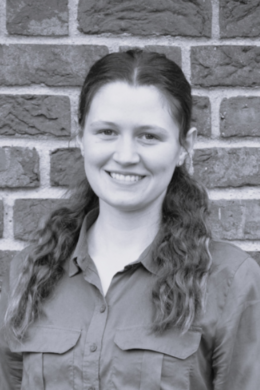
Theory and practice in one!
What I particularly like about teaching computer science is that you have so many opportunities to work with digital media, which you can later use in the classroom. I particularly enjoy working on small projects, because it's exciting to see how your own ideas can be turned into something practical.
Theory and practice are closely linked here, so you can apply what you've learned directly. I find it particularly motivating that you can try out your own creative approaches - be it using robots, 3D printing or VR glasses.
I also appreciate that the lecturers give us a lot of freedom to experiment independently and implement our ideas. Overall, the course not only teaches specialist knowledge, but also promotes creativity and problem-solving skills.
Master's student (GymGe with mathematics and computer science)

In Siegen, you always have a contact person - that was very important to me!
When I got my first computer at the age of 10, I had already developed an interest in technology. At the latest after I had my first contact with computer science and programming in secondary school, I knew: this is it!
The computer science education was a great place for me to go early on. Because I changed subjects myself, I had a good contact person here in Steffen Jaschke, who was able to help me quickly with questions and problems. The lecturers in computer science in general were also always very helpful and friendly and I always enjoyed attending the lectures. Thanks to the practical relevance of both the Bachelor's and Master's courses, it's great fun to study computer science as a teacher and to be able to motivate others in the same way later on, as was the case for me back then!
Master's student (GymGe with chemistry and computer science)
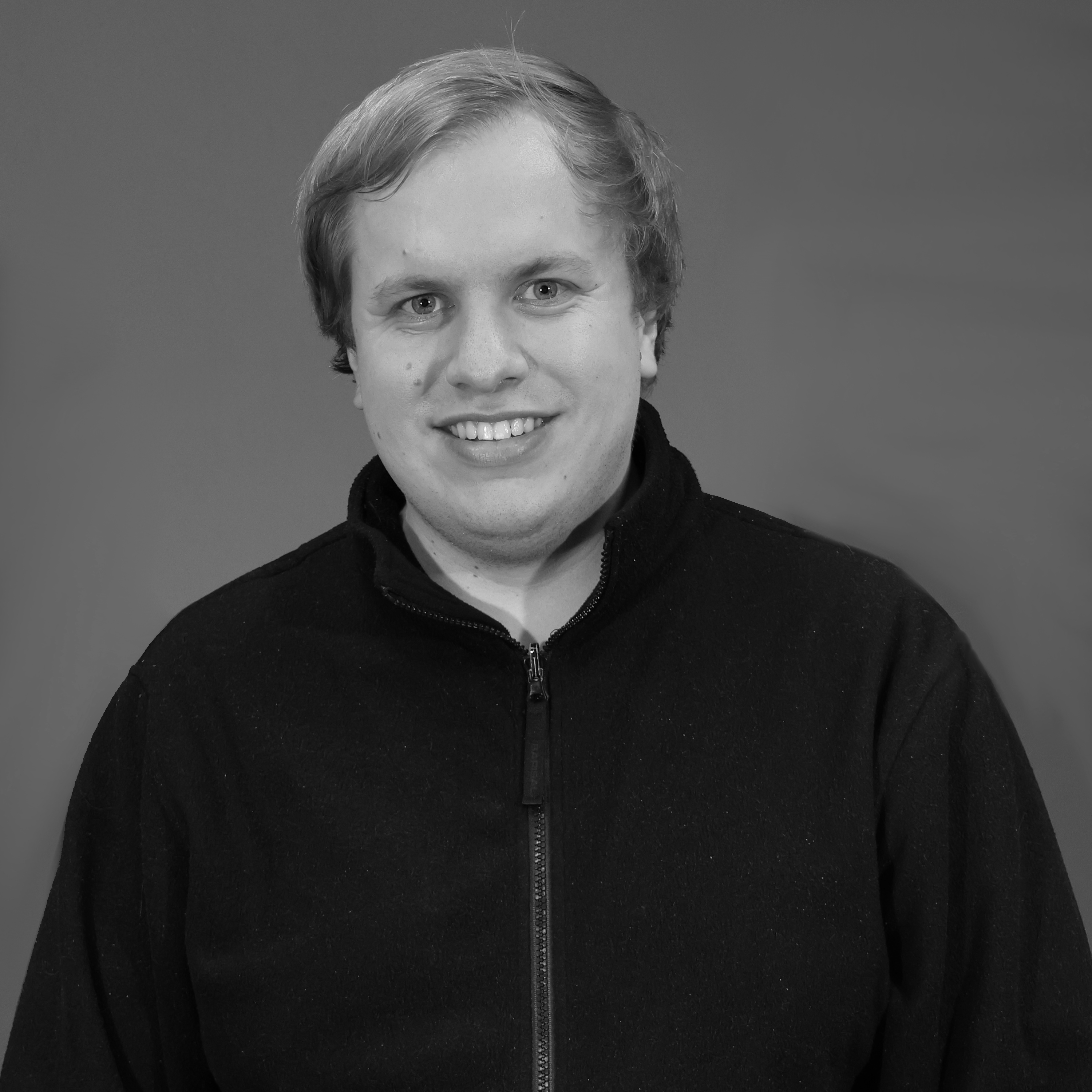
If you're studying computer science to become a teacher, you should definitely get to know the Computer Science Education Department early on
After changing my subject to computer science, I initially had some difficulties in the introductory modules without any previous knowledge. However, when I started my first seminar in the Computer Science Educatiom Department in the third semester, I was immediately impressed by the project-based work. For example, we developed a Lego chess robot, designed and printed our own 3D parts for it and created the software and learning materials for it. The DDI seminars not only taught me a lot professionally, but I also got to know a lot of nice fellow students.
As a student assistant, I then got involved in projects in the areas of game development, virtual reality, artificial intelligence and learning technologies. I not only learned a lot from a technical perspective, but also how to implement such projects from the idea to the finished result. Steffen Jaschke offered me exactly the right mix of independent, autonomous work and an open door, so that there was always someone to talk to if I had any problems. The support before, during and after the practical semester in the Master's degree course was also so good that I feel well prepared for my traineeship.
phD Student (GymGe with social sciences and computer science)
Your path to an apprenticeship
Considerations and enrollment
First of all, you should consider which type of school and therefore which combination of subjects is right for you. In computer science, you can study to become a teacher for lower secondary schools, secondary schools, comprehensive schools, grammar schools or vocational schools.
If you have a general higher education entrance qualification (or an equivalent qualification), you can enrol at the University of Siegen. You can find more information here.
Bachelor's degree
In the Bachelor's program
you will learn the basics of computer science. From algorithms and databases to circuits and networks, you will gain the basic knowledge you will need later in your career. In the first semesters, however, you will also deal with didactics and learn many methods to explain computer science even better to your students.
Master's program
After the Bachelor's degree, a 4-semester Master's degreefollows
. Here you will encounter current research in computer science didactics, deepen your didactic knowledge and can also directly practice and test the theory you have learned, for example in the practical semester.
Bachelor's degree (6 semesters)
Here you will find an overview of the different modules of the Bachelor's degree program. (GymGe = grammar school and comprehensive school teaching degree, BK = vocational college, HRSGe = secondary modern school and comprehensive school teaching degree)
This first computer science module focuses on the core of computer science: searching, sorting and organizing data, where you will learn how to translate problems into mathematical descriptions and write efficient programs in C++. You will also learn basic concepts of computer science and the most important data structures.
This module is compulsory for all teacher training courses in computer science.
unisono Link
You will deal with the social significance of computer science and learn how to explain complex issues in a way that is appropriate for the target audience and in simple language. Part of the module is dedicated to inclusion-oriented issues. This module also provides you with initial knowledge of various didactic concepts in computer science.
This module is compulsory for all teacher training courses in computer science.
This module is thematically based on the "Algorithms and Data Structures" module, but can also be taken without having passed this module. You will delve deeper into modern programming languages such as Java and Python. You will also learn how to plan software with UML diagrams and use professional design patterns. The focus of this module is therefore very much on programming and the corresponding concepts.
This module is compulsory for all teacher training courses in computer science.
Here you will build a bridge between your specialist knowledge and computer science lessons at lower secondary level. You will learn how to teach students the basic concepts of computer science in an understandable way. You will also be given practical methods and tasks that you can use both for practical phases and later as a teacher.
This module is compulsory for all teacher training courses in computer science. Teaching degrees for grammar school and comprehensive school teaching, as well as for vocational colleges, take this course in the 2nd semester, teaching degrees for Hauptschule, Realschule, secondary school and comprehensive school teaching in the 3rd semester.
This module deals with the basics of database systems. These include binary trees, database management systems, relational database systems and Structured Query Language (SQL), which are learned in the course of the module.
This module is compulsory for all teacher training courses in computer science.
This module teaches the basics of modern computer networks - from the local network to the internet. You will learn how data is transmitted securely, efficiently and reliably and which protocols make this possible. The focus is on LAN technologies and the Internet protocol family as well as topics such as error detection, media access control, switching, routing, overload control and network security.
This module is compulsory for all teacher training courses in computer science. Teaching degrees for grammar school and comprehensive school teachers as well as for vocational college teachers attend this course in the 4th semester, teaching degrees for secondary school teachers in the 6th semester.
In this module, you will receive an introduction to the basic concepts of modern operating systems, with a focus on synchronization, concurrency and memory management.
This module is compulsory for GymGe teacher training students. Previous knowledge of algorithms & data structures and object-oriented functional programming is advantageous.
unisono Link
In this module, you will learn the basics of software engineering, including classic process models & iterative software development, software development management, software configuration management and software quality management.
This module is compulsory for GymGe and BK LA students. HRSGe LA students can choose between this module and the programming internship.
This module consists of a seminar and a pracitcal part.
In the seminar, you will work on a topic and present it in a digital presentation.
The practical part consists of several smaller projects, which represent different ways of developing computer science content.
content. Here you will work with various materials in a very practical way, which you can later use in the classroom.
This module is compulsory for all teacher training courses in computer science.
Similar to the Computer Science Education I module, this module is also a link between the specialist knowledge of computer science and teaching, in this case with a focus on upper secondary level. It covers topics such as automata theory, in-depth knowledge of databases and asymmetric encryption techniques such as RSA, which are necessary for teaching at upper secondary level (Gymnasium).
This module is compulsory for teacher training students with the school type GymGe/BK.
The Bachelor's thesis is a major piece of academic work and marks the end of your Bachelor's degree. If you are studying to become a teacher, you have the option of writing your Bachelor's thesis in one of your two subjects or in educational sciences.
If you are interested in writing your thesis with us, please get in touch with Dr. Steffen Jaschke to discuss the time frame, possible topics or any other questions you may have!
Master's degree
Standard period of study: 4 semesters
Here you will find an overview of the different modules of the Master's program.
(GymGe = grammar school and comprehensive school teaching degree, BK = vocational college, HRSGe = secondary modern school and comprehensive school teaching degree)
In this module, you will work intensively in a small group over an entire semester on a project related to didactic research, sometimes with integration at a school.
The topic of the project group is different every year and thus offers you the opportunity to gain an insight into current and exciting issues in computer science didactics.
This module is compulsory for all school types.
This module is divided into 2 different courses (which can be taken in parallel or separately), as well as the accompanying seminar for the practical semester. The examination will then cover all content together.
Preparatory seminar for the internship semester
In this seminar, you will be intensively prepared for the upcoming practical semester. Here, important contents of computer science didactics are deepened for this practical phase.
In-depth seminar
Here you will deepen your knowledge of scientific computer science didactics, get to know relevant methodologies and deal intensively with elements such as inclusion, performance diagnostics and other topics.
All seminars are compulsory for all types of schools. Please also note that you must have attended the preparatory seminar one semester before the practical semester (see below).
During the practical semester, you will spend an entire semester in a school of your type and can put your previous theoretical experience to the test in practice and experience everyday school life. During this time, you will be supervised by the Center for Practical Teacher Training (ZfsL) during the lecture-free period as well as by the university through the accompanying seminars in the subjects during the lecture period.
Please note for your planning (especially because of the preparatory seminar etc.) that the practical semester can only take place in the winter semester if you are studying Computer Science.
You can find further (general) information on the practical semester on the ZLB website.
In addition to the compulsory courses, you choose a module from a catalog to set your own specialist focus. You may not choose a module that you have already completed in your Bachelor's degree. You can find a list of the currently available compulsory elective modules here.