Dangerous Bleeding: Innovative 3D Intestine Model to Shed Light on Disease Mechanisms

Our bodies are typically well-equipped to prevent excessive bleeding. When a blood vessel is injured, a finely tuned process quickly kicks in, clotting the blood and sealing the wound. At the center of this life-saving process is the von Willebrand Factor (VWF), a protein in the blood that detects damage and guides platelets to the wound to seal the injury.
But in about one percent of people worldwide, that process doesn’t work properly. Those affected by von Willebrand Disease face prolonged bleeding, with particular concern for incidents of recurring intestinal bleeding caused by abnormal blood vessels known as angiodysplasia. These cases are more than just physically exhausting, they can be life-threatening. Sadly, the exact reasons behind these vascular changes are still a mystery, and there remains as yet no approved drugs available for treatment.

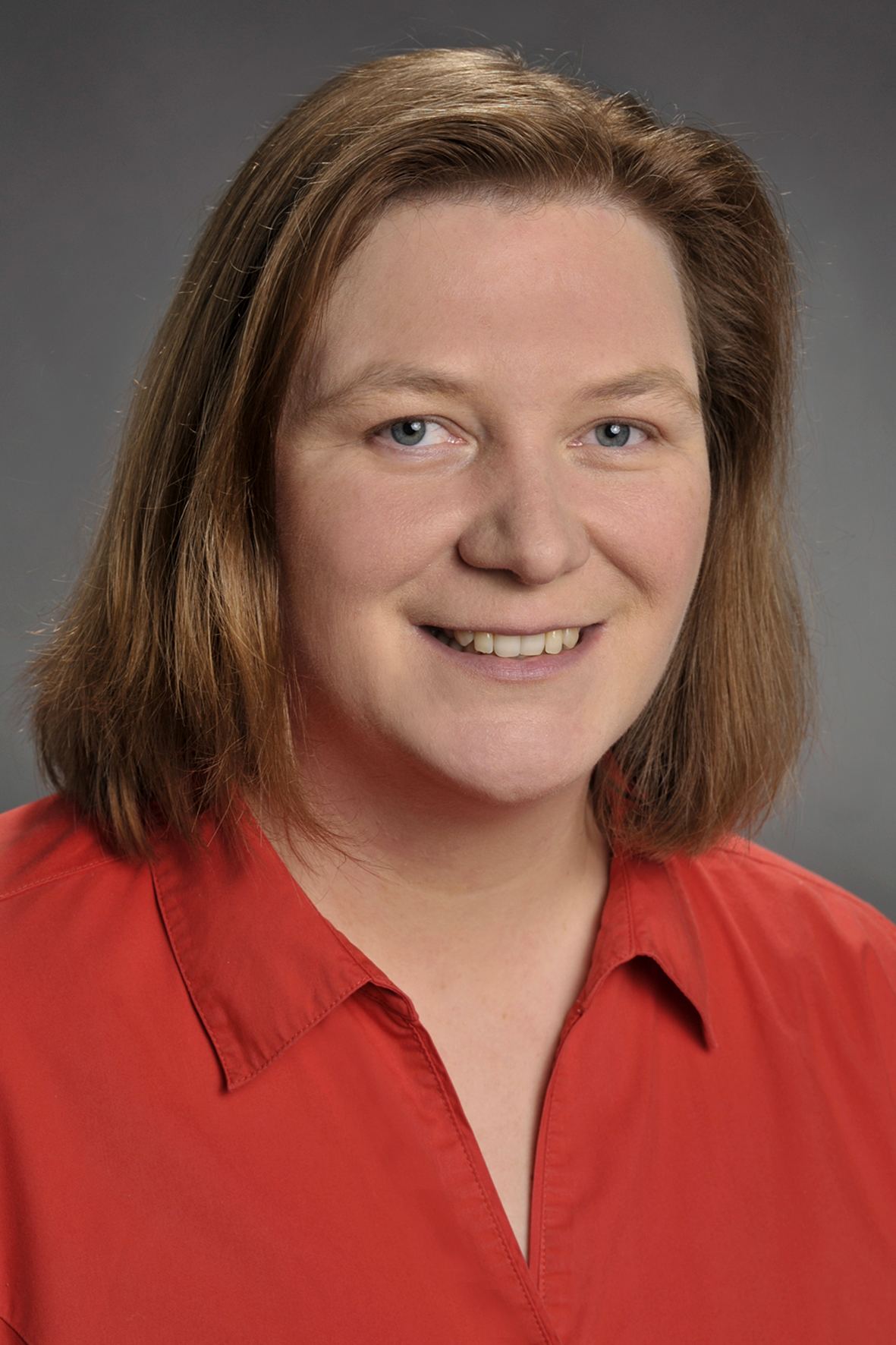
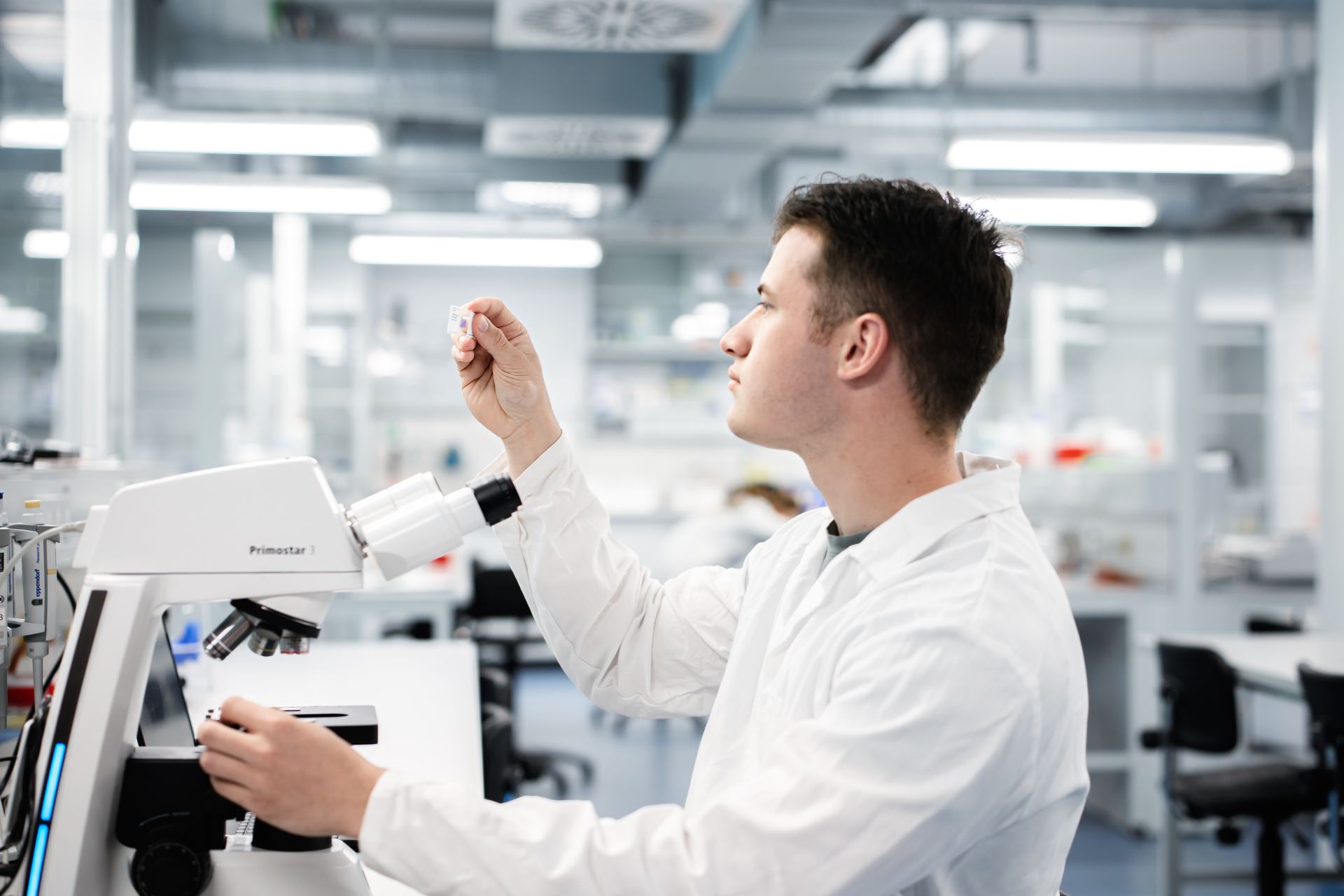
Biochemist Prof. Dr. Maria Brehm from the University of Siegen is determined to change that. Together with her team, she is developing a state-of-the-art 3D intestinal model on a microchip, just a few millimeters wide. This tiny, high-tech system aims to recreate the complex environment of the human intestine as realistically as possible, so that scientists can study what happens during intestinal bleeding in unprecedented detail.
The Siegen team is redeveloping existing 3D intestinal models to allow them insight into the role of the von Willebrand factor in intestinal bleeding. They start by reducing the amount of von Willebrand Factor in the cells in the model, then simulate von Willebrand Disease on the chip itself – a novel approach that could finally reveal why these dangerous intestinal bleedings occur.
Hope for new therapies
One day, this disease-like model could help test new compounds that might stop intestinal bleeding or repair damaged blood vessels. Researchers are using the technology to safely test both existing and newly developed drugs in the lab, while also eliminating the need to test on animals. "Intestinal bleeding is understandably very distressing for patients," says Professor Brehm. "Our research aims to improve patient treatment effectively and sustainably in the long term.”

In recognition of her pioneering work, Professor Brehm received the Günter Landbeck Excellence Award in Hamburg last November. The award, presented by Takeda Pharma Vertriebs GmbH & Co. KG, honors outstanding research on blood clotting disorders across German-speaking countries. The Siegen scientist won in the category “Experimental Work” and received €25,000, which is now being directly invested in her lab – including the hiring of a new PhD researcher.
Professor Brehm has been researching at the University of Siegen since 2021. Her team has already shown that the von Willebrand Factor plays a key role in controlling blood vessel growth. When it is absent, one specific signaling pathway becomes overactive. The result: vessel cells start to multiply and migrate excessively, forming weak, leaky vessels – the hallmarks of angiodysplasia.
Before coming to Siegen, Professor Brehm spent over a decade at the University Medical Center Hamburg-Eppendorf and worked with the DFG research group SHENC (“Shear Flow Regulation of Hemostasis – Bridging the Gap Between Nanomechanics and Clinical Presentation”). There, an interdisciplinary team of biochemists, structural biologists, physicists, and physicians studied the von Willebrand Factor from different perspectives.
Since 2011, Professor Brehm has focused on discovering how mechanical forces in the bloodstream influence the activity of VWF and how mutations in this protein can lead to malfunctions. Along the way, she has already uncovered several previously unknown mutations that could unexpectedly increase blood clotting and therefore increase the risk of heart attacks.
Von Willebrand disease is the most common hereditary blood clotting disorder, affecting women and men equally often. Most cases are mild. Severe cases are rare, but are also the ones involving recurrent intestinal bleeding. The underlying protein is named after the Finnish internist and hematologist Erik Adolf von Willebrand.