
Shape Your Future, Starting in Siegen
Do you want to make a real impact by expanding opportunities for participation and inclusion? Are you ready to help drive social, cultural, and institutional change? Then you've come to the right place! The educational science degree program at the intersection of the pedagogical sub-disciplines with reference to psychological and sociological findings provides you with optimal training for the individual support of children, young people and adults. The close link between theory and practice allows you to build up theoretical knowledge and combine it with practical experience, so that you learn how to reduce structural disadvantages and specifically stimulate and support educational and development processes.
During the phase integrating theory and practice, you will work two days a week at selected educational institutions under the guidance of qualified professionals—an arrangement that breaks with traditional program structures.
Quick Facts
-

Start of studies
Winter semester -

Standard period of study
6 semesters -

Separate application required?
No -

Language of instruction
German
Career Prospects
This program prepares you for diverse careers in education, both in schools and community settings. Opportunities include all-day schooling, early childhood education, youth and child services, vocational rehabilitation, support for underserved groups, and elder care. It also positions you well to pursue a master’s degree and an academic career.
Student Voices: Insights into the Educational Sciences program
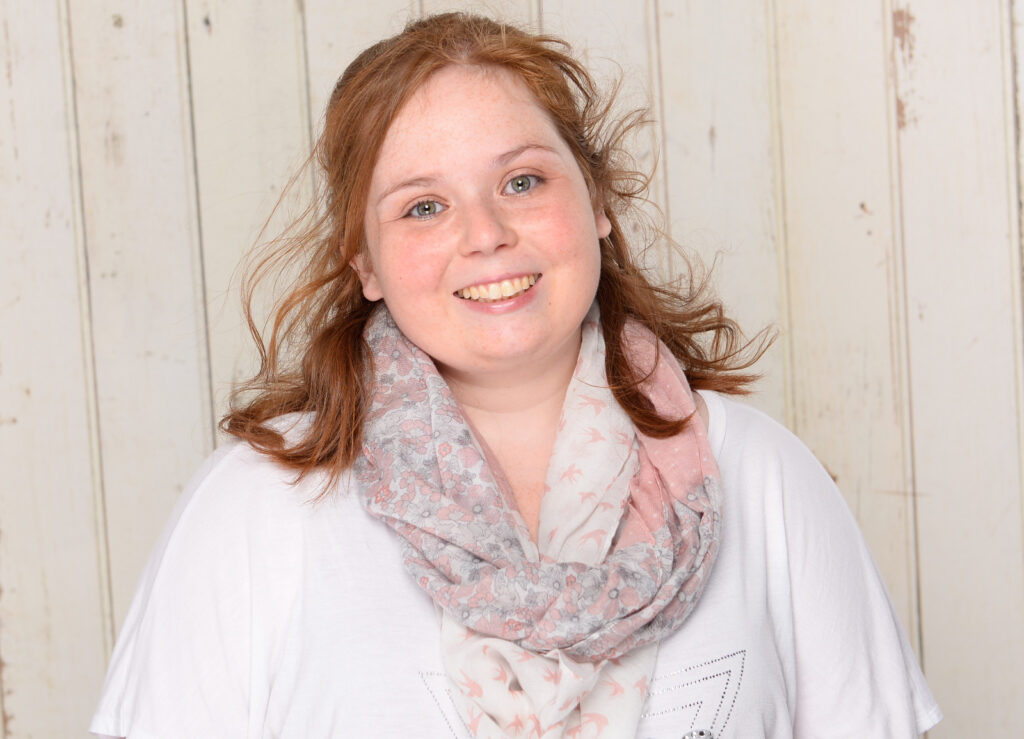
Connects theory and practice in meaningful ways
Why did I choose this program? I asked myself this question many times while exploring different degree options. Since my youth, I have been involved in child and youth work and could easily imagine turning this interest into a career. What mattered most to me was keeping my options open and not committing too early to one specific field within the social sector. The Bachelor’s program in Educational Science: Inclusion and Diversity appealed to me because it connects theory and practice in meaningful ways. I especially valued the chance to gain hands-on experience during my studies and discover whether a professional path in education was right for me. The accompanying seminars encouraged me to reflect on these experiences using theoretical frameworks, helping me understand how academic concepts apply to real-world educational work. Courses on role theory and reflective practice, for instance, were especially helpful for my transition into professional life.
With around 40 students per cohort, the program offered an approachable and supportive learning environment. Taking classes together made it easy to collaborate on projects, build lasting friendships, and form a strong sense of community. Another major advantage was the dedicated student support. The instructors were approachable, ready to offer advice or guidance, and fostered open communication and mutual trust throughout the program. This atmosphere of support and respect greatly enhanced both my learning and personal growth.
After completing my Bachelor’s degree, I chose to continue with a Master’s in Education and Social Affairs at the University of Siegen, which later led me to my current role as a career guidance counselor. I can wholeheartedly recommend this program to anyone interested in exploring the diverse aspects of education, engaging in thoughtful reflection that links theory and practice, and learning within a close-knit academic community.
Curriculum and Focus
What you can expect from the Educational Sciences degree program
Study Phase I
1st - 3rd semester
Compulsory modules: Connecting theory and practice: Students "work and learn" integrated into their studies on two days over a period of three semesters in selected institutions. Approaches to the subject: identity development, learning development, social agency Disciplinary approaches to the field: sociology/politics, psychology, educational science
Study Phase II
4th - 6th semester
Compulsory modules: Action-related approaches to the field: Pedagogical interventions and design/treatment Social science and pedagogical discourses Law
Bachelor's thesis
During the theory-practice phase, you will work two days a week in selected educational institutions under the guidance of specialists, which will break up traditional study structures.
If you do not have a German Abitur but do hold an entrance qualification for universities of applied sciences, please review the information here.
If you do not have an Abitur but are already in the middle of your professional life, please review the information here.
Why choose the educational sciences at the University of Siegen?
- Professional qualification for the role of educator
- Wide range of work fields such as elderly care, support for the disabled, family and parent counseling, child and youth services, cultural education, organizational development, school social work, and research
- Interdisciplinary studies combining general, vocational, and business education with psychology, school, and social education
- Three-semester integrated theory-practice phase
- Ideal conditions for learning


