A Life Devoted to Music: Innovative Sounds and Cinematic Journeys Through Time
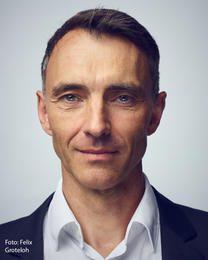
Music has been a part of Thomas Schmölz’s life for as long as he can remember. While other people primarily explore the world with their eyes, Schmölz emphasizes that he has always considered himself a “person of the ear”: “It has always felt to me as though I experience the world more through my ears than through my eyes.””
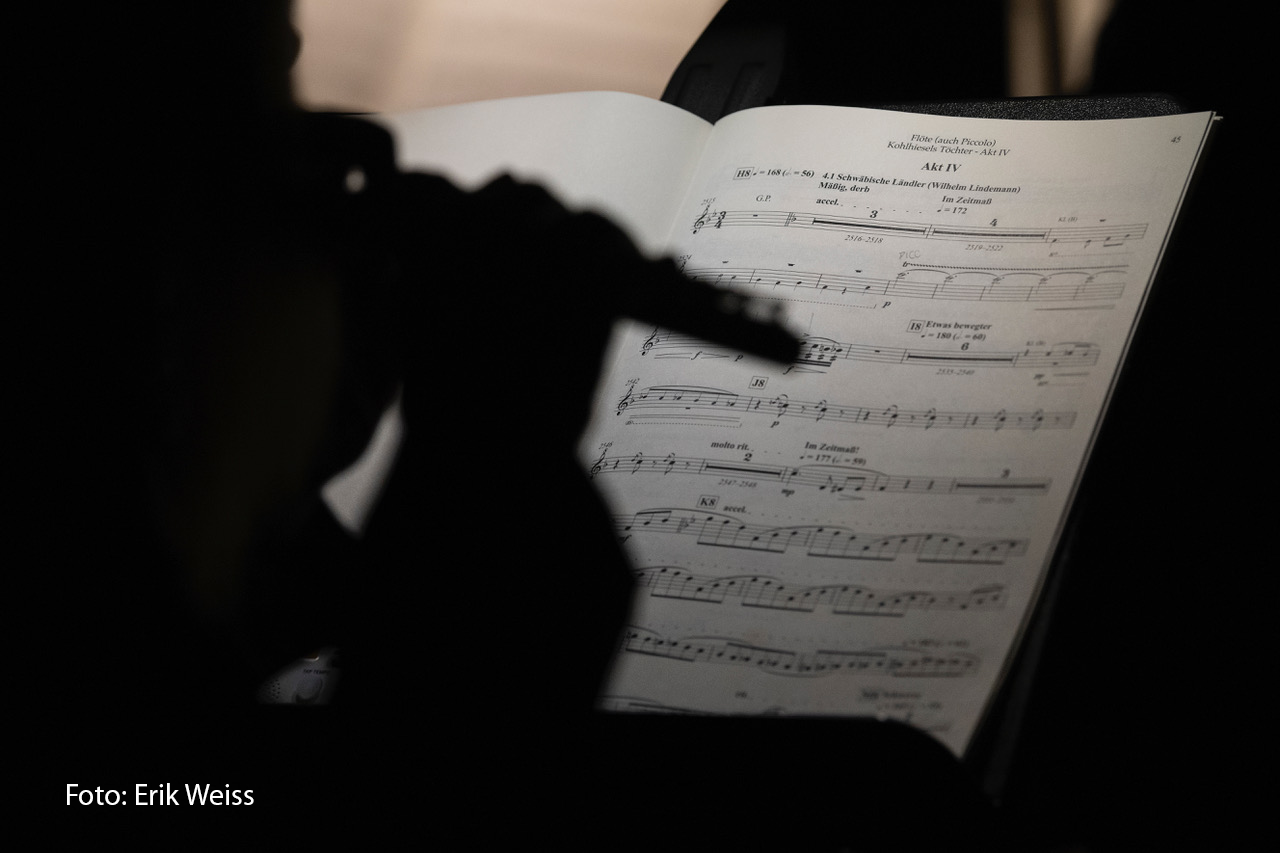
With a team of freelance composers, copists, sound designers, sound engineers, film and music scholars, and with the support of film editors and film archives across Europe, Schmölz produces silent film music in various ensemble sizes—from small ensembles to large orchestras. Just this past spring, after two years of work with an 8-member team, he completed the score production for the internationally acclaimed restoration project of the nearly seven-and-a-half-hour-long mammoth film “Napoleon – vue par Abel Gance.” The world premiere, featuring the new score by Simon Cloquet Lafollye with over 250 performers in the orchestra and choir, will take place on July 4 and 5 at La Seine Musicale near Paris.
Silent Film at the Konzerthaus
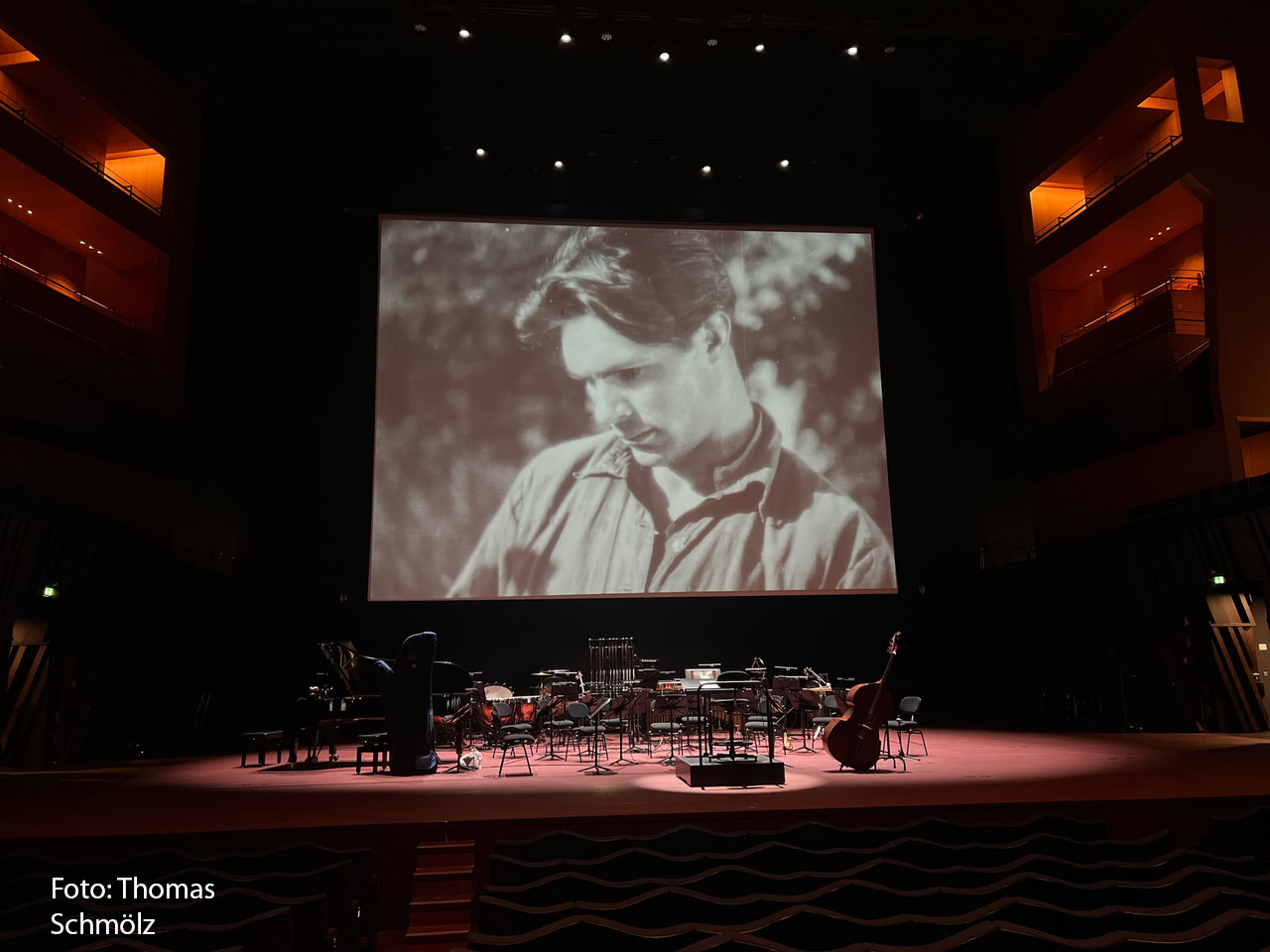
Schmölz describes the silent film as a niche within a niche. On public television, it is shown exclusively on ARTE, usually around midnight on the last Monday of the month. Naturally, this means they can only attract a small audience. However, this fate does not do justice to the meticulously restored and newly produced works. That is why he devotes significant attention to live performances of silent films with new musical scores. In his view, the film concert or cine concert plays a significant role in bringing the cinematic heritage of the silent film era back into the public consciousness. Today’s avant-garde composers make a contribution that cannot be overstated. With compositions precisely synchronized to the film images and innovative sound creations, they often reveal surprising perspectives on the film images and stories—some of which are over 100 years old—to the concert and cinema audience, thereby enabling a contemporary and emotionally moving film experience.
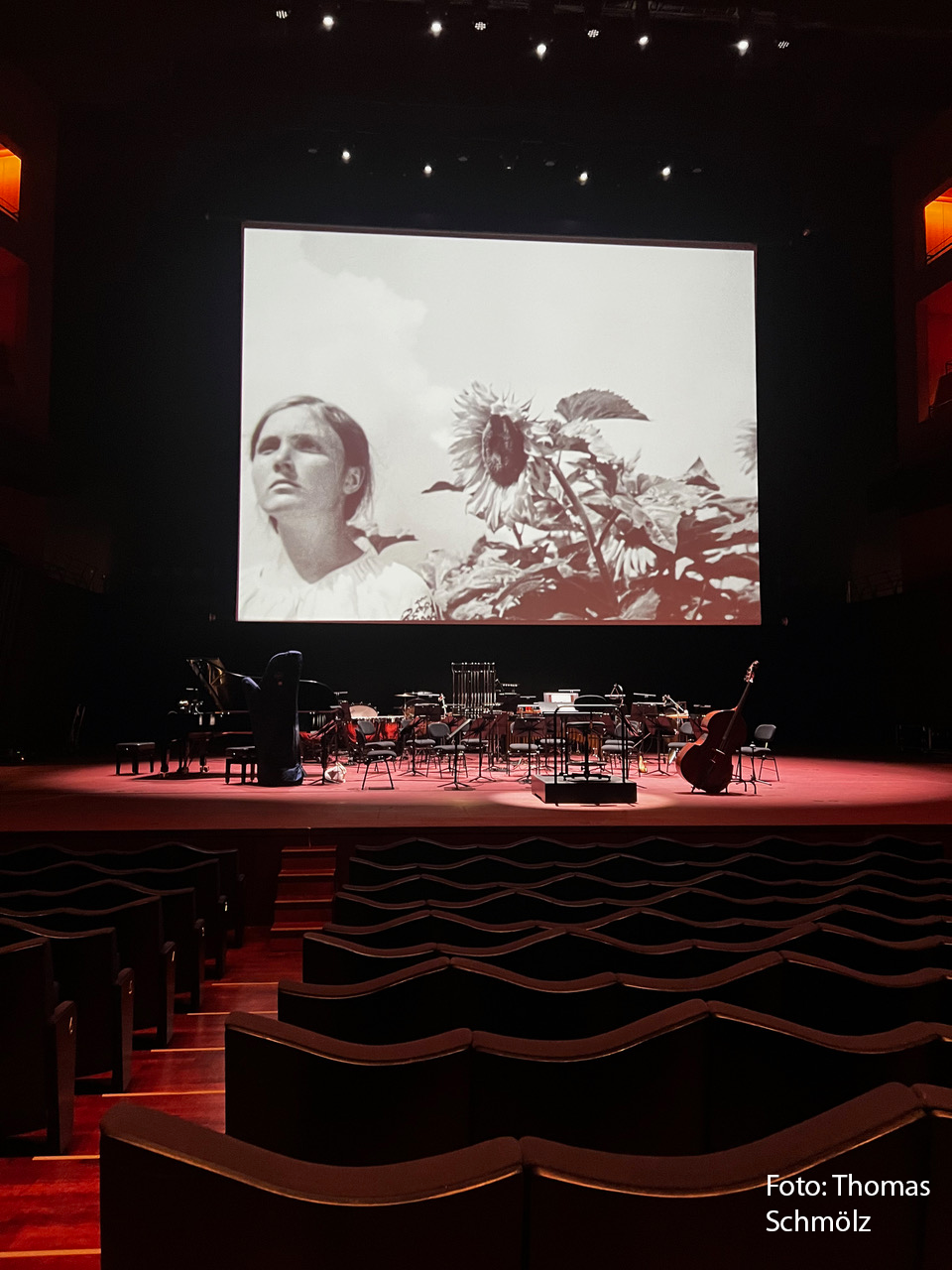
For Schmölz, the rebirth of Olexandr Dovzhenko’s EARTH (orig. семлйа) was a special experience. In 1997, Alexander Popov was commissioned by ZDF to create a new score for the film, which Schmölz recorded as a sound engineer with the Mariinsky Soloists Ensemble in Saint Petersburg. During the months of the COVID-19-induced shutdown in the cultural sector, he stumbled upon the backup data CDs of the audio master by chance. A good two years and countless hours of work later—a quarter-century after the recording in Saint Petersburg—the production, performed by the Ensemble Musikfabrik from Cologne, was enthusiastically celebrated by the audience as part of the Rainy Days Festival at the Philharmonie Luxembourg.
A Tribute to Bold Women
The restored films, paired with evocative music, still work brilliantly today. In this context, Schmölz would like to highlight a very special series of short films recently produced for ARTE under the title “Female Comedies.” These humorous films from the early days of cinema prove that laughter connects people across generations. Schmölz himself describes the protagonists of these films as strong women who defy patriarchal structures with wit and humor. He speaks enthusiastically about the sassy women and the feminist comedy of the 1920s. Schmölz is determined to bring these women’s stories—some of which have long been silenced in film history—to the stage. “Nasty Women – Cheeky Women in Early Film” is the title of the concert project he curated, which will premiere on July 3 in cooperation with WDR and the Soundtracks Cologne Festival. The innovative, entertaining, and witty short films will play a central role in the event.
But exactly how can these strong characters be supported by musical accompaniment? Schmölz notes that it is not always easy to find harmony between old films and the present day, with its changed musical language. He often sees the silent films slated for production for the first time, which makes it exciting to indulge in musical associations and consider composers who might be suitable for a commission.

Multitasking in the Music Industry
Even though music production and publishing take up the majority of his working hours, Schmölz’s scope of work includes other areas of responsibility: such as bookkeeping and taxes, which he currently still handles himself. “Juggling numbers” and the financial aspects of his business are just as important to him as they are a field of work he enjoys, which he can largely handle from his well-equipped home office. He acquired the fundamentals for this during his studies at the University of Siegen, among other places.
He remains involved in the post-production of music recordings as well as in the editing and subtitling of films. Last but not least, project development, the dramaturgical design of live formats, and leading the various project teams are among his primary areas of focus. Especially since founding his own publishing house, the internationalization of his business has gained momentum. Last year, for example, a production was realized in Buenos Aires for the first time, and productions in Spain and FilmKonzert events in Seoul and Shanghai are planned for the coming year. In addition, thanks to ARTE’s outreach policy, Eastern European countries are now also coming into focus for the first time.
However, along with this great recognition, a heavy responsibility also rests on Schmölz’s shoulders. He emphasizes that there is no room for error in these projects. If something doesn’t work, it must be fixed: “It is important to meet the high standards of our partners and the framework.”
Diverse Learning Path
After a series of career changes, including training as a telecommunications technician and several years as an amateur musician, Thomas Schmölz eventually found his way to the School of Broadcasting Technology in Nuremberg, where he completed an apprenticeship as a sound engineer. A formative experience during this time was the opportunity to assist with orchestral recordings for Bayerischer Rundfunk. This, combined with a deeper understanding of score reading, sparked his interest in working in theater. Instead of going into broadcasting, he initially began as an assistant to the sound engineer at the Frankfurt Opera, where he quickly took on responsibility for orchestral recordings. His interest in theater operations and management eventually led him to study at the University of Siegen. He still speaks highly of the freedom and opportunities the program offered. The University of Siegen gave him the chance to explore other fields as well, such as economics and Romance languages. He is able to apply many of these aspects effectively in his current work. An Erasmus semester in Spain allowed Schmölz to study young Spanish cinema of the 1990s and further deepen his passion for the connection between music and film.
In 2001, under the supervision of Professor Jürgen Kühnel, he completed his thesis on the topic of “Opera on Television.” His studies at the University of Siegen thus laid the foundation for his own company. In particular, the basic business education and the diverse experiences he gained during his studies shaped his professional development and led him to his current position. Thomas Schmölz emphasizes that his career path was not always clear to him, but that music has always accompanied him along the way. He encourages others to explore new areas during their studies and to try out various projects. In conclusion, he stresses the importance of courage and dedication in his industry, as well as the significance of passing on the passion for projects and ideas, even when success is not guaranteed. He firmly believes that there will always be people interested in his work and drives his projects forward with passion and dedication. He has produced major film scores, and his publishing company is on the path to international success: “For ‘Napoleon,’ we produced the sheet music that France’s two top orchestras are now performing. And when you consider that an alumnus of the University of Siegen produced the sheet music, that’s a truly incredible feeling.”
Thomas Schmölz emphasizes that it also took a lot of luck for him to become the successful music producer he is today. However, it can be said unequivocally that Schmölz’s success stems primarily from his love of music, combined with his ability to breathe new life into moving images and their characters through music.
This profile is based on an interview with Thomas Schmölz, conducted and written by Antonia Blumberg.