Musicology / Sound Studies: The working group introduces itself
How do we listen to music and sounds, and what does our listening tell us about culture and society? What forms of knowledge emerge when dealing with music and sound? How are ways of listening shaped, mediated and changed? What role do body, space and materiality play in musical and sonic experience?
The Musicology/Sound Studies working group examines music and sound as dynamic, relational and socially embedded forms of cultural practice and stands for an interdisciplinary, contemporary, artistically research-based and culturally oriented musicology.


About our working group
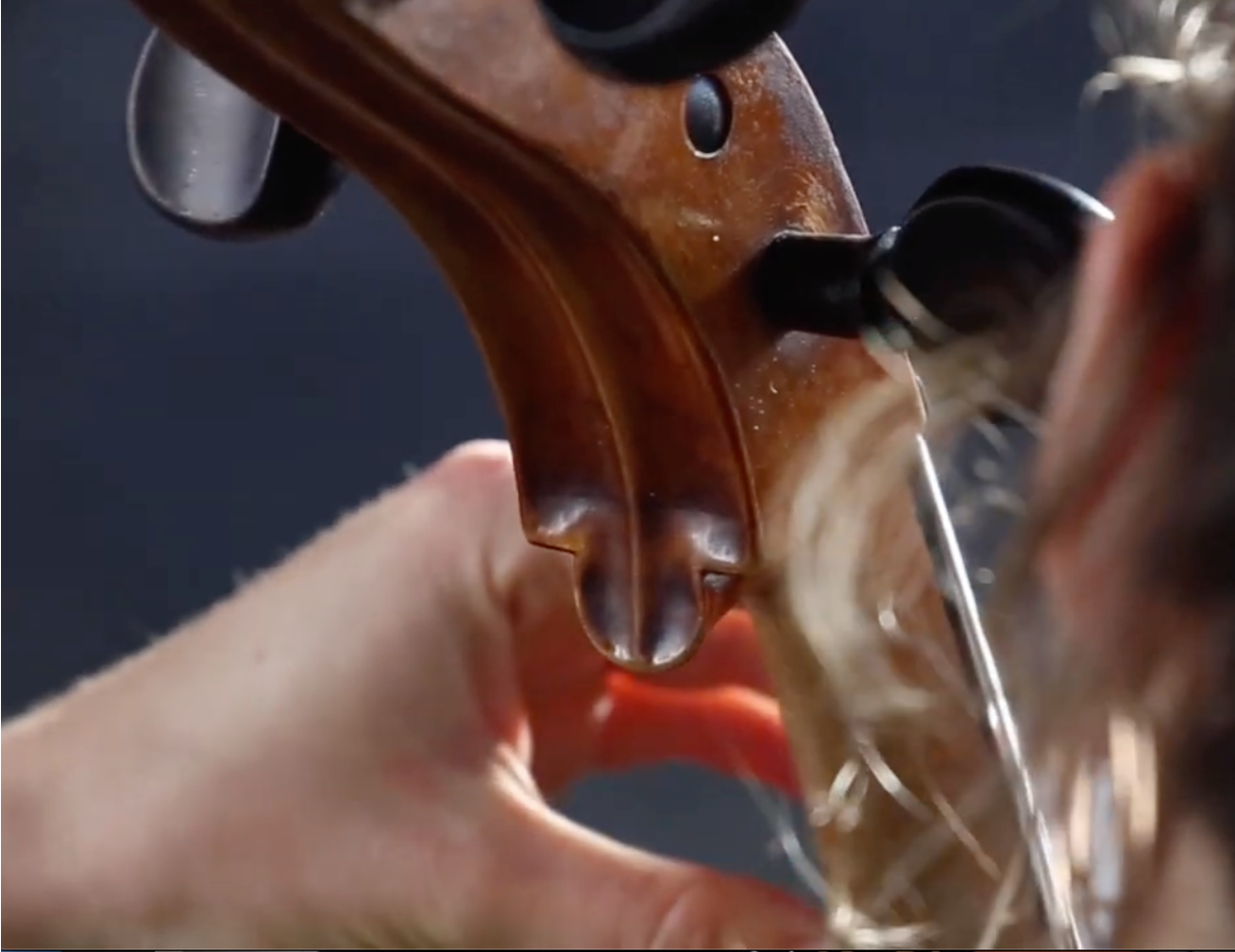
"The Musicology / Sound Studies working group is committed to contemporary research and teaching. Our desire is to focus on music in its performativity, affectivity, situatedness and physicality. We understand sounds and music as socially relevant practices and deal with them in a variety of ways - including in listening exercises, improvisations, practical reflections, in academic and theory-based discourses."
Our profile in research and teaching
Our research perspectives can be summarized under three thematic focal points.
- Sound-oriented music research: understanding music in its sonority and deconstructing its work character; transforming Eurocentric perspectives; understanding sound practices as diverse and global; understanding listening as a relationship, as "sonic relations"
- Practice-based music research: investigating sound production and experience in music-making (in situ); project-based sound research in urban and rural areas; local, community-based and participatory research; focus on "knowing-how"; taking into account embodied, sensual, intuitive approaches to knowledge
- Urgent music research: sound studies appeal to the situatedness of sounds and focus on what is (in)audible or is made audible and incorporate decolonial, feminist and queer positions as well as questions of sustainability and transformation research.
Our courses combine theoretical reflection with methodological openness and practical relevance. Our aim is to enable students to develop their individual artistic, academic and pedagogical interests and strengths - combined with the aim of stimulating knowledge, learning and development from an academic perspective. This includes
- the breadth of meaning of (specialist) terminology, theoretical concepts, historical and contemporary phenomena and methodological approaches to music and sound-specific research,
- the ability to position oneself and to critically reflect on the mechanisms of inclusion and exclusion of academic subject matter, canonization or work-centredness,
- to make science comprehensible as a dynamic, dialogical, conflicting and inspiring practice,
- to make theoretical concepts, historical or contemporary phenomena practical, i.e. permeable and tangible through active action and
- to explore contemporary and historical objects by engaging with different materials.
We work closely with the Schools of the Faculty (and beyond) and examine the interdisciplinary intersections, especially with the artistic disciplines. We research and work with Siegen's urban society, including within the framework of SONICampus, as well as with international research institutions and partners, facilitate and support stays abroad and proactively expand new international networks.
.