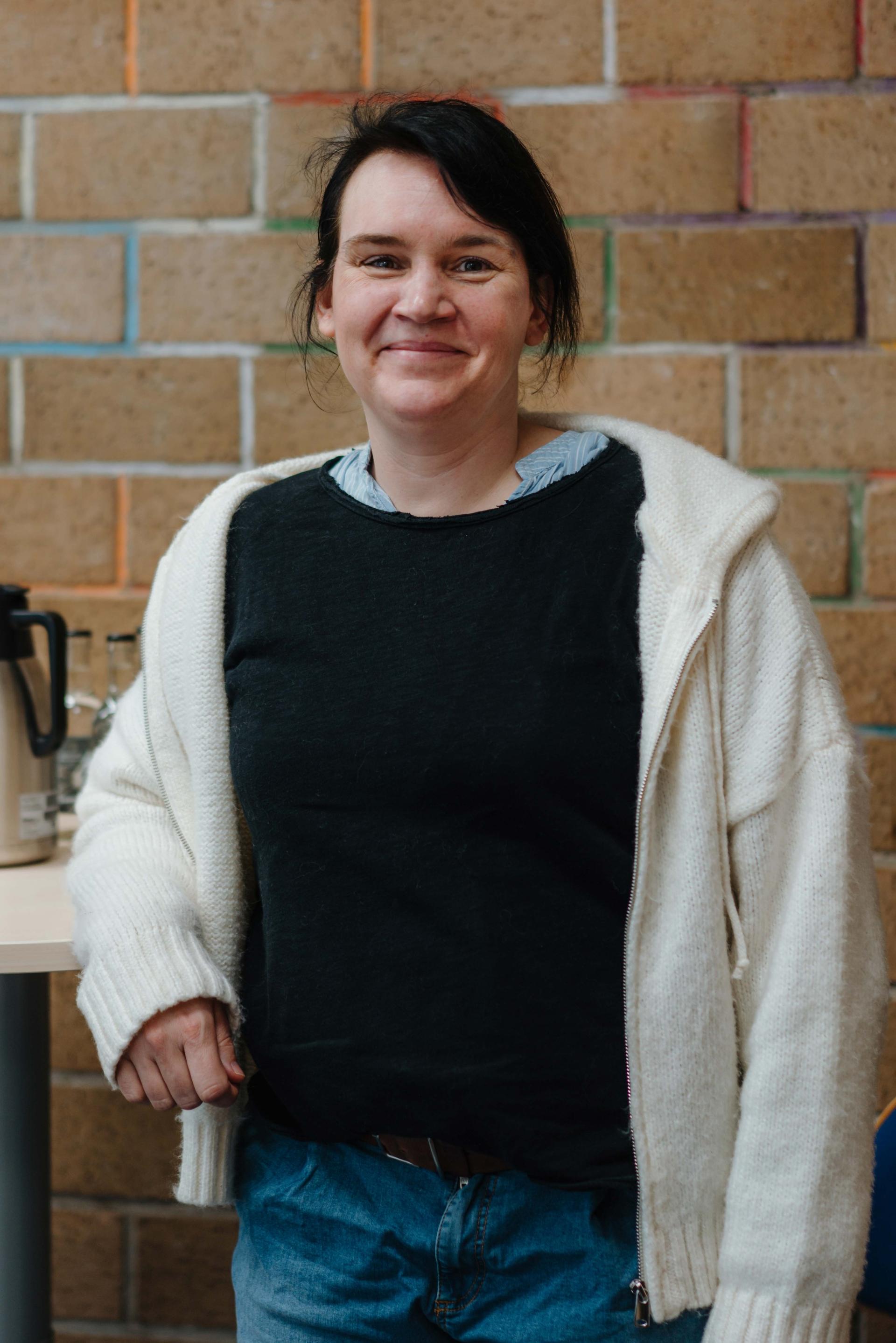
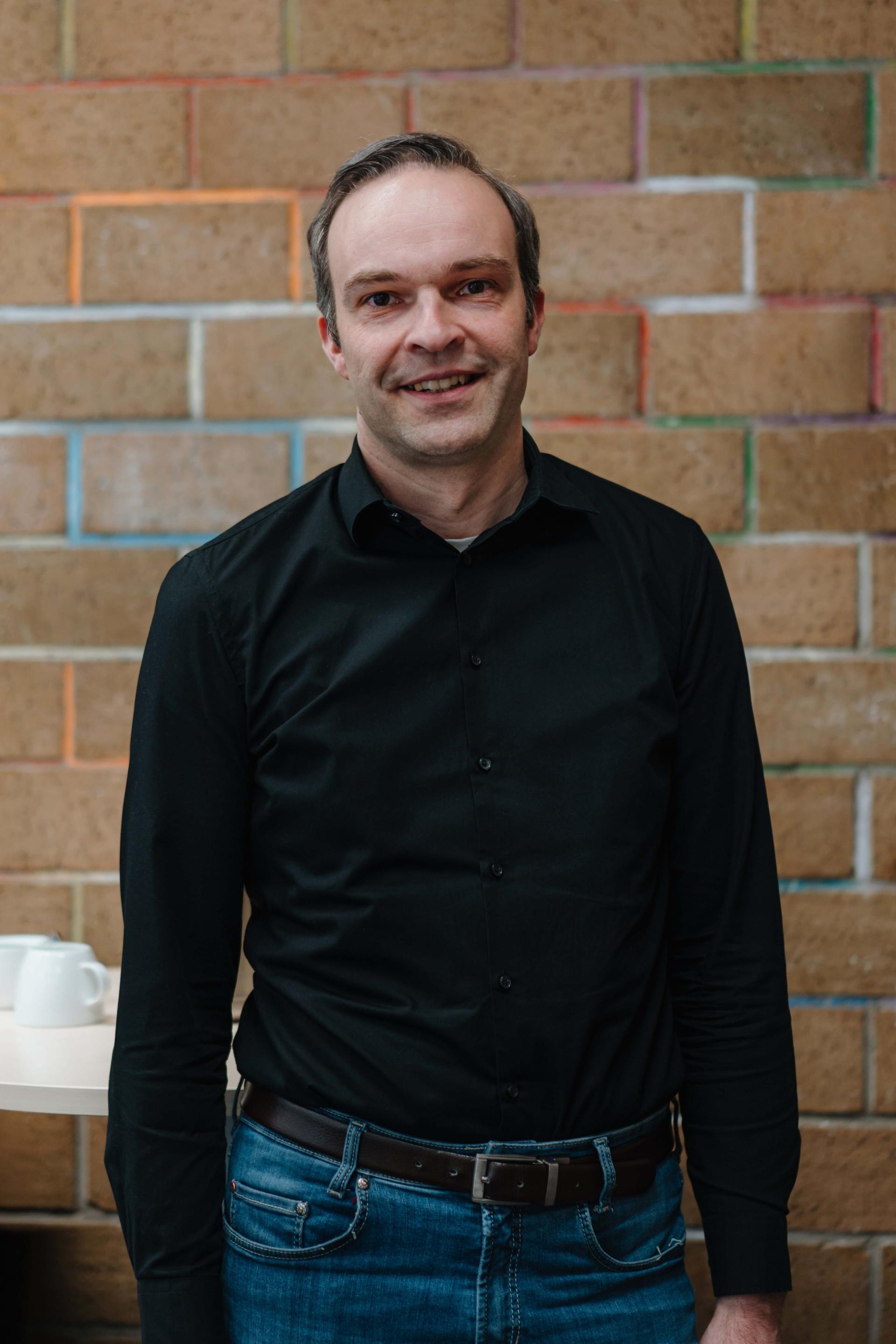
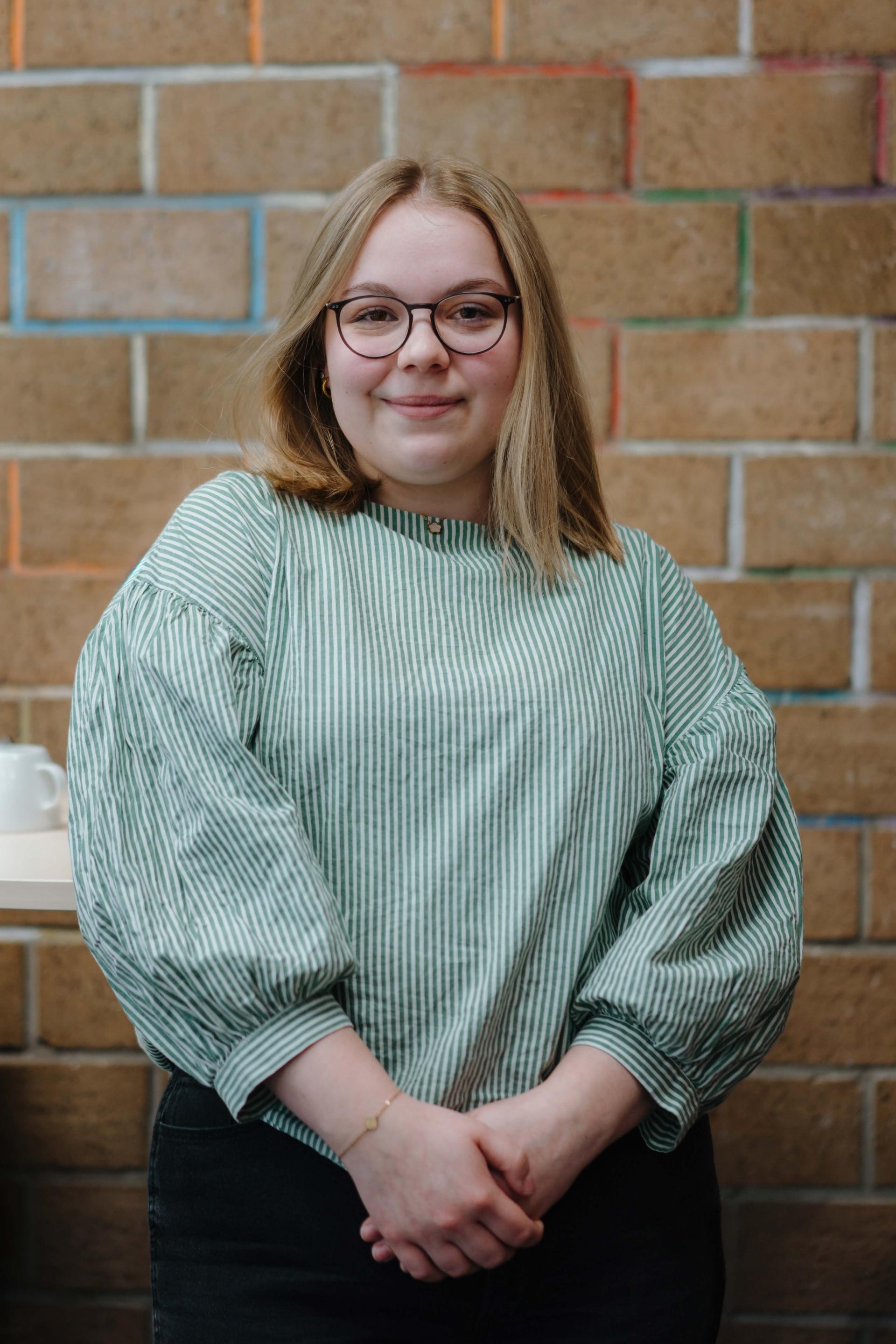
Three days in the classroom without a safety net
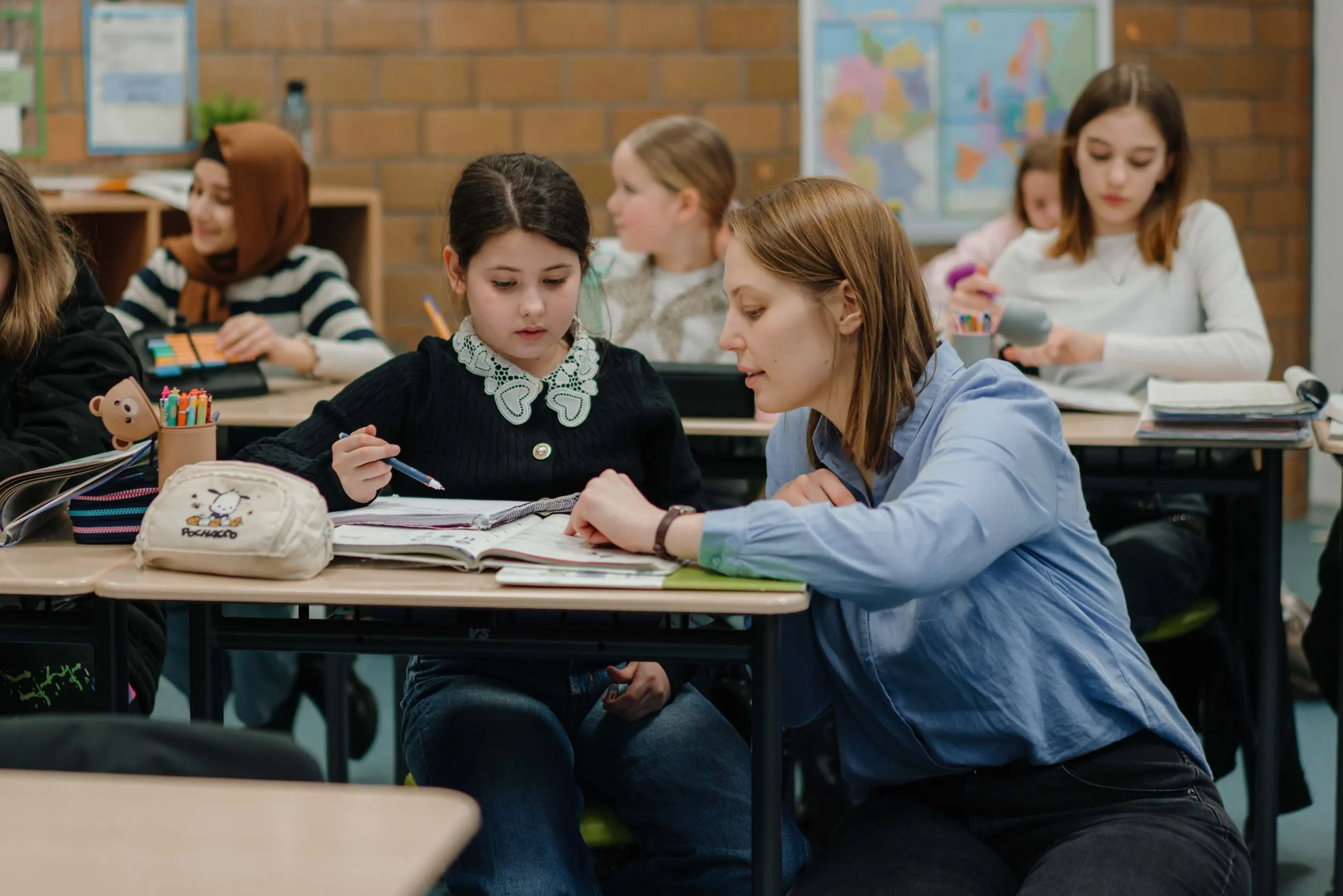
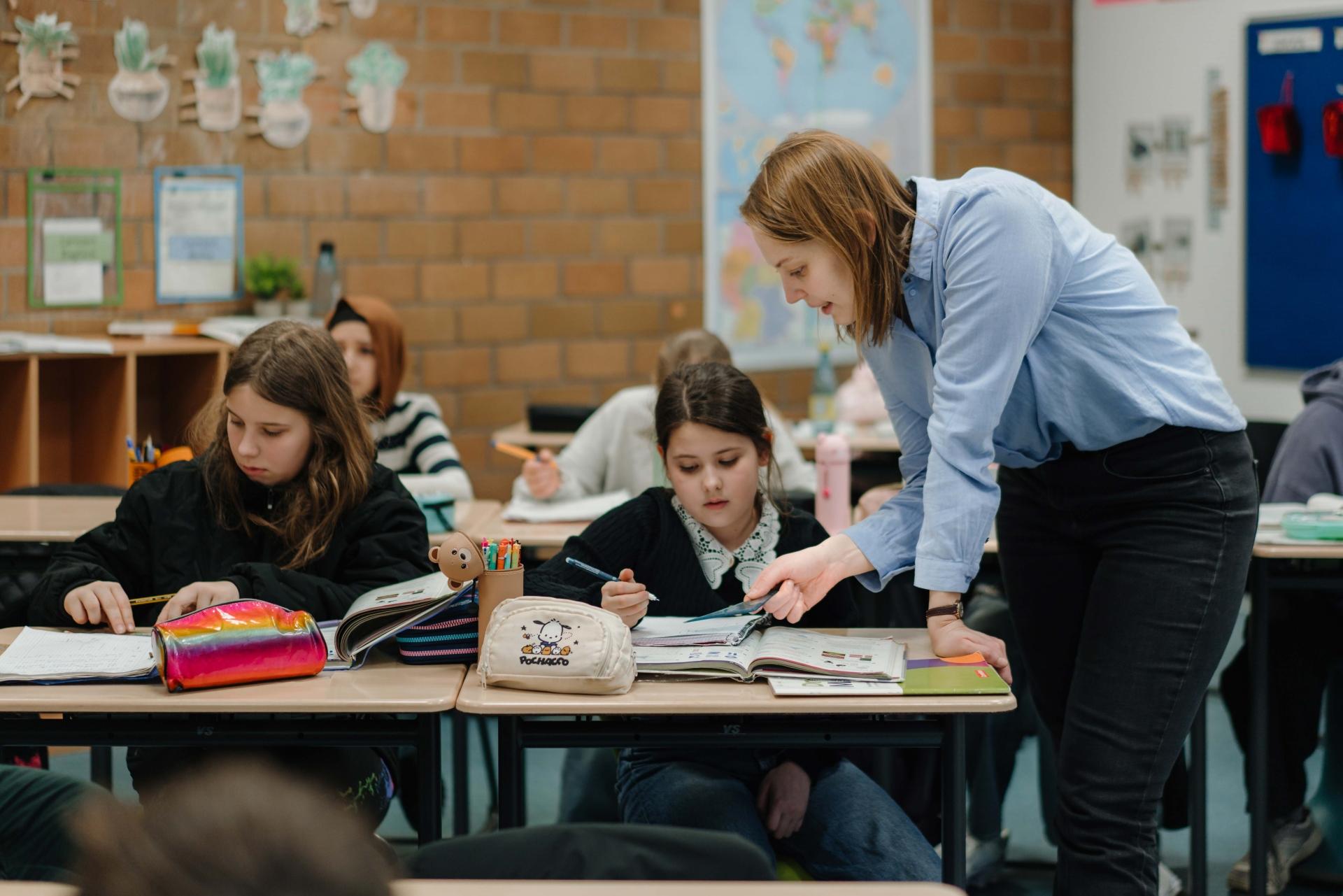
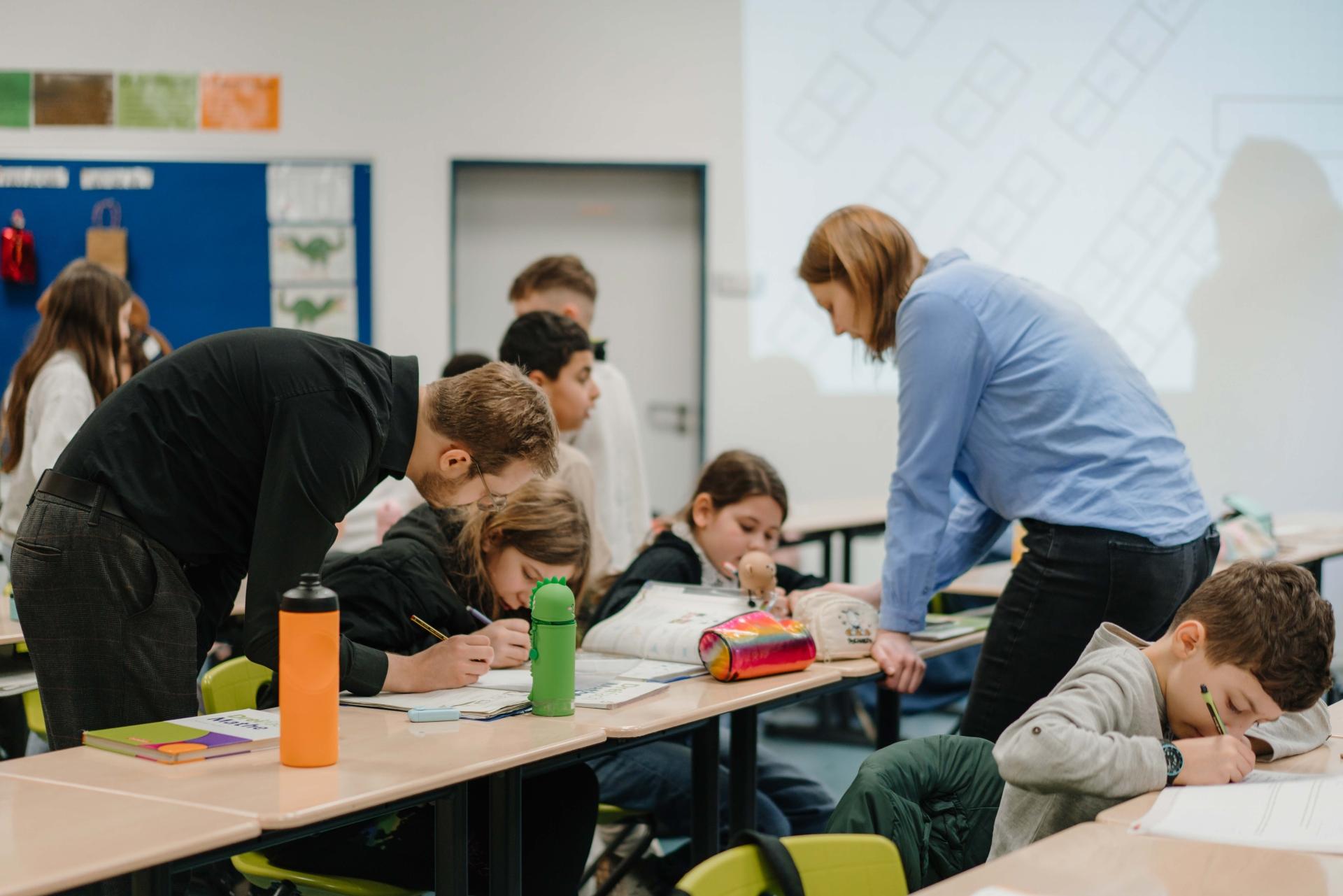
Loud voices drift through the corridors, shoes squeak on the floor, satchels bang against brick walls. Pupils hurry up the stairs, people are laughing somewhere. It's a perfectly normal morning at the Am Rosterberg comprehensive school. Only one group is missing: the teachers. For three days, 23 student teachers from the University of Siegen are responsible for running the entire school. Lessons, break supervision, dispute resolution, organization - students organize everything themselves during the "school adoption" project. Only two members of the school management and members of the University of Siegen's school education working group are on site to make formal decisions, for example.
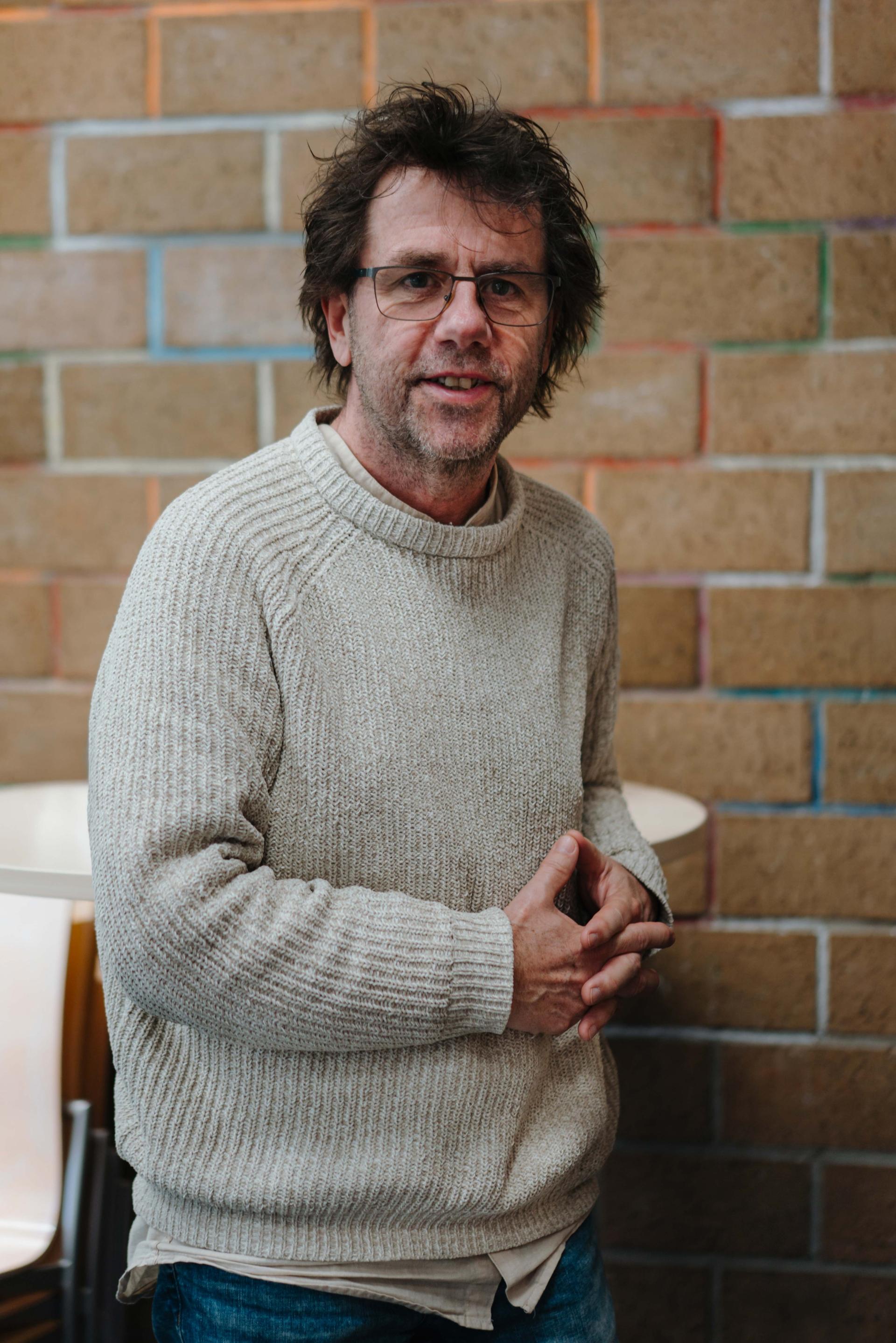
"The students will never get such an authentic view of the practical side of things again," said Dr. Jörg Siewert, spokesperson for the School Pedagogy working group at the University of Siegen, who was instrumental in developing and initiating the project. There is no buffer zone in the school adoption. Unlike in the orientation internship or traineeship, the students stand in front of the class without a backup - with a different quality of responsibility. Dr. Siewert: "The project is therefore of particular importance for the teacher training course at the University of Siegen and raises the quality even further. We are more than satisfied."
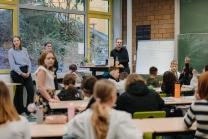
The tension was still palpable the evening before: Phones were ringing, last organizational questions were clarified. The next morning - day 1 of the project - the students looked like a new person: confident, determined, focused. They literally ignored the occasional members of the school management who were present. "I'm impressed by how the students managed it," said Prof. Dr. Kathrin Racherbäumer from the University of Siegen's Department of Educational Sciences. The school adoption is a huge opportunity. In normal practical phases, university lecturers would not be able to accompany the students so closely. Here, on the other hand, concrete situations are reflected on together - for example, how the student teachers settle a dispute. This is enormously valuable for their later professional life. Similarly, there are no teachers waiting in the background to step in if necessary - every question from the pupils is one that the students have to answer.
Student teachers have the chance to prove themselves
Three weeks of shadowing preceded the project. The students got to know classes and dynamics, spoke to individual pupils during breaks and observed how experienced teachers deal with disruptions in the classroom. Relationships are the basis of all learning, Prof. Racherbäumer emphasizes - which is why there were coaching opportunities to specifically strengthen relationship building.
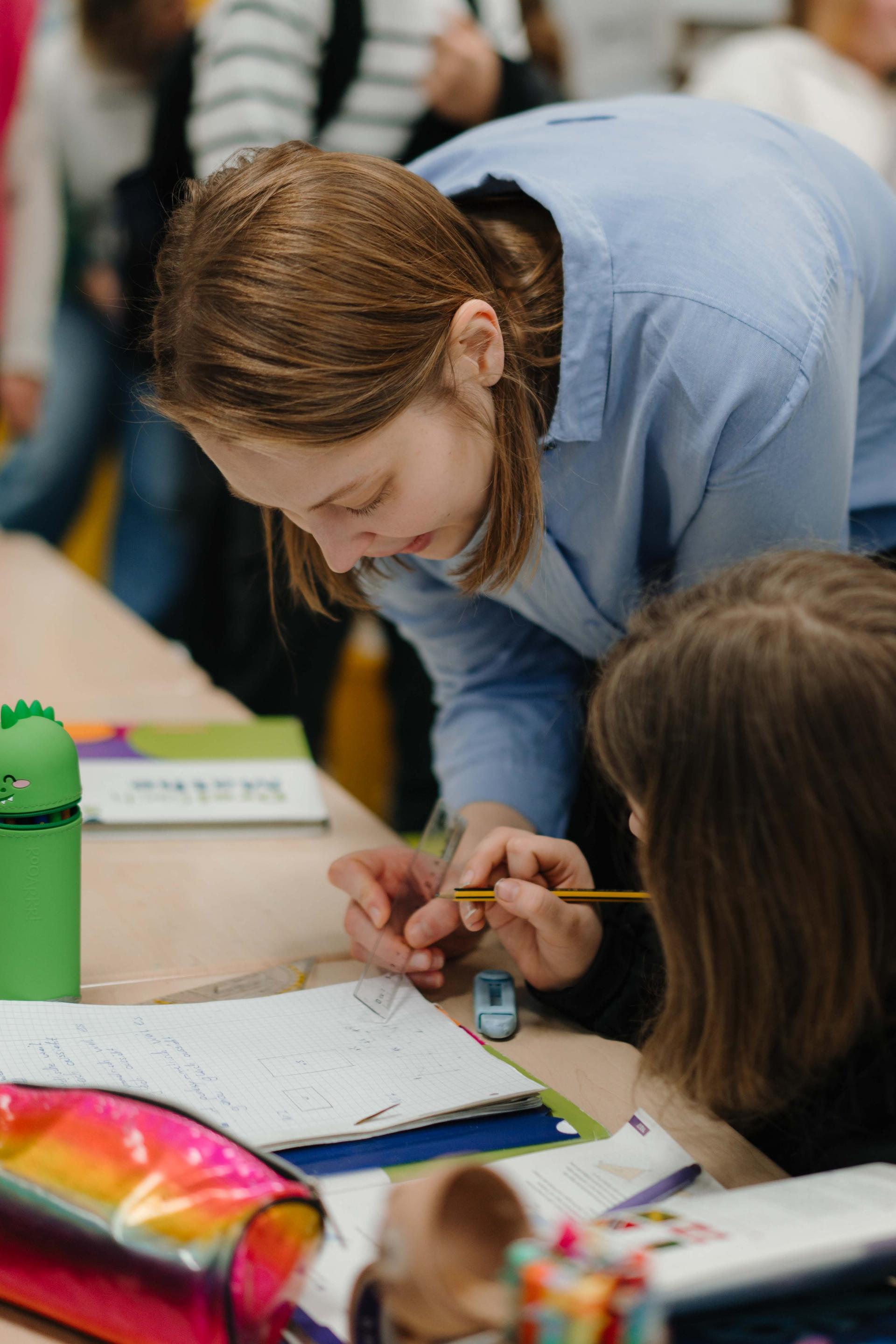
For Marie Voß, student teacher and project participant, the school adoption felt fundamentally different to previous practical experiences. "In other practical phases, you watch a lot." It's a bit like learning to drive from the back seat. "During the school adoption, we are responsible for ourselves and our class and had the chance to prove ourselves." It was exciting to be at the front of the class for the first time, but with every lesson, it became more routine.

A win-win situation for both sides
The Am Rosterberg comprehensive school currently comprises years five to seven. Some of the 330 or so pupils tested their limits. New faces, new methods, new rules - in some cases, they were allowed to help decide what the focus should be. One class practiced presentations, another worked in groups according to their interests. The slightly smaller age gap between students and pupils created a special closeness that was well received by the pupils.
The project was also a benefit for the school itself. As a newly founded comprehensive school under construction, the staff were able to use the three days to carry out intensive concept work on the premises of the University of Siegen. "This is otherwise neglected in everyday life," said head teacher Florian Kraft. They wanted to evaluate the students' ideas and, where appropriate, integrate them into their own lessons.
For student Marie Voß, it was clear after the three days that she had learned a lot about herself and her career aspirations. You can't be told what really happens in the classroom, she says - you have to experience it for yourself. There were stressful moments, but she realized how much the work fulfilled her. Siewert added: "Even if you realize after the project that the teaching profession isn't for you after all, it's worth a lot."
There are only a few similar projects in Germany, for example at the European University of Flensburg. The idea originally comes from Scandinavia. In Siegen, the school adoption was a complete success - and is to be established as permanently as possible in cooperation with the Am Rosterberg comprehensive school.